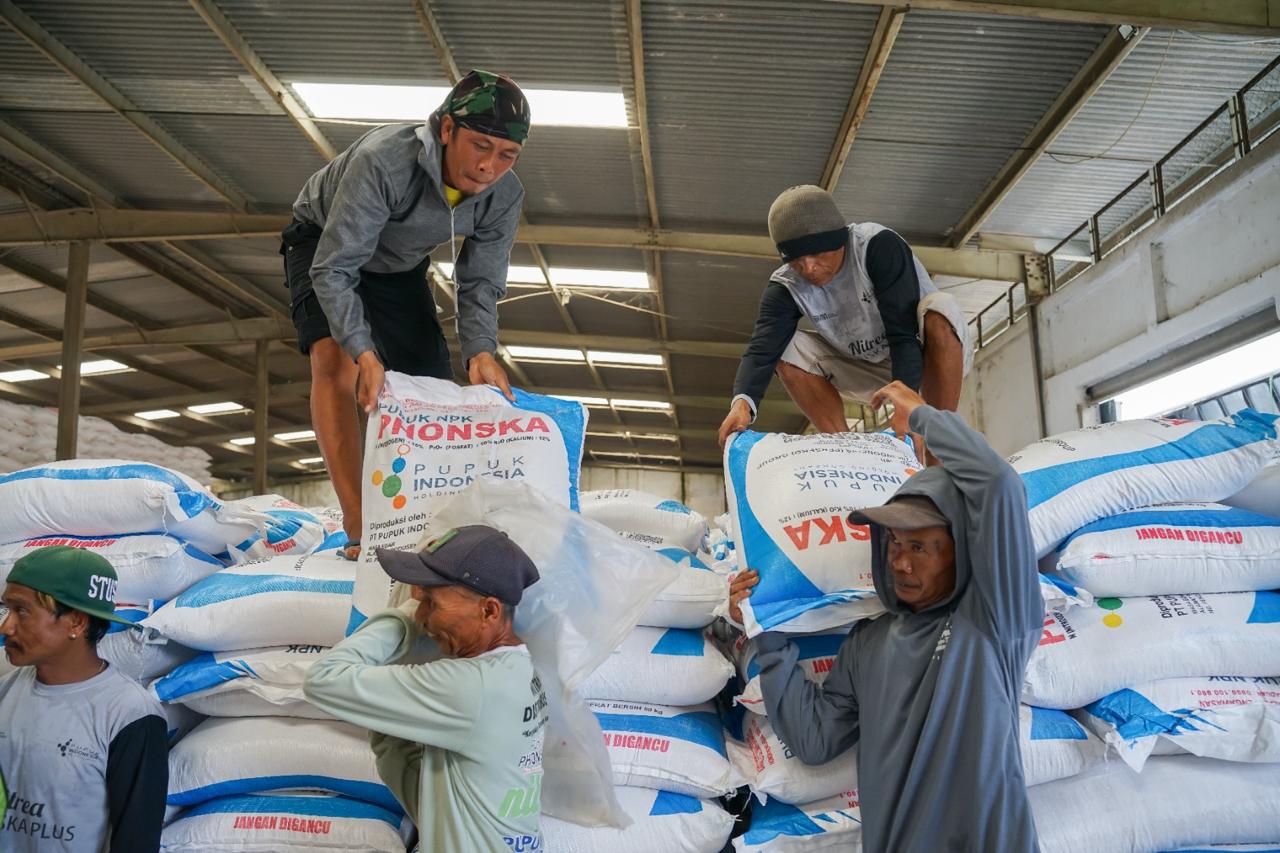
Subsidized NPK and Urea Fertilizers: The Key to Agricultural Productivity for Indonesian Farmers
-
 Posted by
- Share



We Fully Understand That
Agricultural Success Depends Not Only on Weather or Farming Techniques, but
Also Heavily on the Availability and Quality of Fertilizer. Two of the most
relied-upon types of fertilizers are subsidized NPK and Urea. These fertilizers
are not merely additives; they are key to ensuring plants grow lushly, remain
healthy, and eventually yield bountiful harvests. Without the right
fertilizers, farming feels like shooting in the dark—with uncertain outcomes.
The Importance of Fertilizer for
Crops
Fertilizer provides essential
nutrients that plants need to grow optimally. Without it, crops often suffer
from nutrient deficiencies, leading to stunted growth, reduced productivity,
and suboptimal harvests. This is where NPK and Urea fertilizers play a vital
role.
NPK and Urea fertilizers supply key
nutrients that support the healthy and productive growth of crops. NPK is a
compound fertilizer containing three essential nutrients: Nitrogen (N),
Phosphorus (P), and Potassium (K). Urea, on the other hand, is a rich source of
pure Nitrogen, which is crucial for plant development.
When plants receive a balanced and
sufficient supply of nutrients from NPK and Urea fertilizers, they grow
stronger and healthier. Healthy plants bear more and better-quality fruits,
leading to increased yields and higher market value—providing direct benefits
to farmers' livelihoods and national food security.
Benefits of NPK Fertilizer for
Plants
NPK fertilizer is a top choice
among farmers because it delivers the complete set of nutrients that crops
need. Each of the three main elements has its own vital role in the plant
growth cycle:
- Nitrogen (N): Essential for the
formation of leaves and stems. It aids in chlorophyll production, which is
necessary for photosynthesis, allowing plants to generate the energy required
for growth.
- Phosphorus (P): Supports the
development of strong and healthy roots. Robust root systems are key for
absorbing water and nutrients from the soil.
- Potassium (K): Strengthens plant
tissues and enhances resistance to pests and diseases. It also aids in fruit
formation and improves harvest quality.
With NPK fertilizer, plants not
only grow faster but also become more resilient to less-than-ideal
environmental conditions. Strong root development enables better water and
nutrient absorption, while healthy leaves and stems indicate high productivity
potential. Additionally, NPK improves crop quality, including fruit size,
taste, and shelf life, which in turn increases market value.
Benefits of Urea Fertilizer for
Plants
Urea is a nitrogen-based fertilizer
rich in pure Nitrogen—one of the most critical nutrients for plants, especially
during their vegetative growth phase (leaf and stem development). Key benefits
of Urea include- Healthier,
more productive crops: With complete and balanced nutrition, crops grow
better and yield more, directly improving farmers' livelihoods.
- Higher-quality
harvests: Healthy crops produce fruits or harvests with superior size,
flavor, and shelf life. These higher-quality yields generally fetch better
prices in the market, increasing farmers’ income.
- Cost
efficiency: Using the right fertilizer amounts not only improves results
but also optimizes production costs. Farmers avoid overusing fertilizers,
which can be economically and environmentally harmful.
Proper use of Urea helps farmers
maximize the vegetative phase of crop growth, so by the time the plants enter
the generative (fruiting) phase, they are in optimal condition to produce
abundant, high-quality yields.
Applying NPK and Urea fertilizers
in the right doses and at the right times has tangible benefits for farmers,
including:
In this way, subsidized NPK and
Urea fertilizers are not just an investment in crop growth, but also in the
long-term prosperity of farmers and the advancement of Indonesian agriculture.
Easier Distribution Through
Digitalization
The Indonesian government
recognizes how crucial fertilizers are to farmers and national agriculture,
which is why NPK and Urea fertilizers are subsidized to make them more
affordable. However, availability alone is not enough—timely and accurate
distribution is equally important.
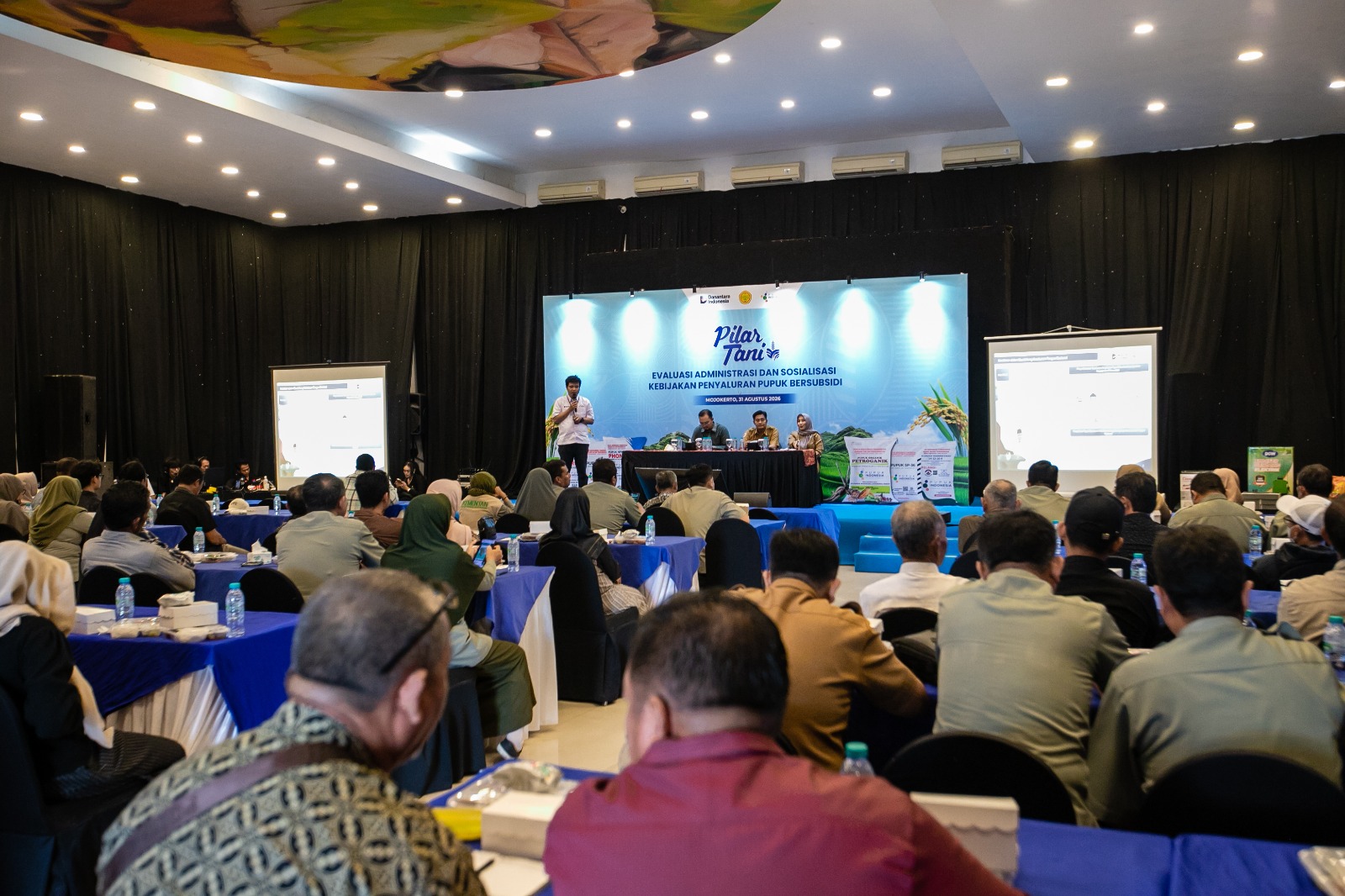
To address this, the government has
implemented a digital fertilizer distribution system through platforms such as
e-RDKK (Definitive Group Requirement Plan) and other official applications like
I-Pubers. These systems make the fertilizer distribution process more efficient
and transparent.
Benefits of digitalizing fertilizer
distribution include:
- Targeted distribution: Farmer data and needs are digitally recorded, enabling fertilizers to be allocated based on actual demand in the field.
- Timely availability: With integrated systems, subsidized NPK and Urea fertilizers can be distributed in sync with planting schedules, ensuring farmers receive them when crops need them most.
- Reduced fraud and misuse: Digital systems enhance transparency, minimizing the risk of fertilizer being diverted or not reaching intended farmers.
The Importance of Fertilizer for Crops
Fertilizer provides essential nutrients that plants need to grow optimally. Without it, crops often suffer from nutrient deficiencies, leading to stunted growth, reduced productivity, and suboptimal harvests. This is where NPK and Urea fertilizers play a vital role.
NPK and Urea fertilizers supply key nutrients that support the healthy and productive growth of crops. NPK is a compound fertilizer containing three essential nutrients: Nitrogen (N), Phosphorus (P), and Potassium (K). Urea, on the other hand, is a rich source of pure Nitrogen, which is crucial for plant development.
When plants receive a balanced and sufficient supply of nutrients from NPK and Urea fertilizers, they grow stronger and healthier. Healthy plants bear more and better-quality fruits, leading to increased yields and higher market value—providing direct benefits to farmers' livelihoods and national food security.
Benefits of NPK Fertilizer for Plants
NPK fertilizer is a top choice among farmers because it delivers the complete set of nutrients that crops need. Each of the three main elements has its own vital role in the plant growth cycle:
- Nitrogen (N): Essential for the formation of leaves and stems. It aids in chlorophyll production, which is necessary for photosynthesis, allowing plants to generate the energy required for growth.
- Phosphorus (P): Supports the development of strong and healthy roots. Robust root systems are key for absorbing water and nutrients from the soil.
- Potassium (K): Strengthens plant tissues and enhances resistance to pests and diseases. It also aids in fruit formation and improves harvest quality.
With NPK fertilizer, plants not only grow faster but also become more resilient to less-than-ideal environmental conditions. Strong root development enables better water and nutrient absorption, while healthy leaves and stems indicate high productivity potential. Additionally, NPK improves crop quality, including fruit size, taste, and shelf life, which in turn increases market value.
Benefits of Urea Fertilizer for Plants
Urea is a nitrogen-based fertilizer rich in pure Nitrogen—one of the most critical nutrients for plants, especially during their vegetative growth phase (leaf and stem development). Key benefits of Urea include
- Healthier, more productive crops: With complete and balanced nutrition, crops grow better and yield more, directly improving farmers' livelihoods.
- Higher-quality harvests: Healthy crops produce fruits or harvests with superior size, flavor, and shelf life. These higher-quality yields generally fetch better prices in the market, increasing farmers’ income.
- Cost efficiency: Using the right fertilizer amounts not only improves results but also optimizes production costs. Farmers avoid overusing fertilizers, which can be economically and environmentally harmful.
Applying NPK and Urea fertilizers in the right doses and at the right times has tangible benefits for farmers, including:
In this way, subsidized NPK and Urea fertilizers are not just an investment in crop growth, but also in the long-term prosperity of farmers and the advancement of Indonesian agriculture.
Easier Distribution Through Digitalization
The Indonesian government recognizes how crucial fertilizers are to farmers and national agriculture, which is why NPK and Urea fertilizers are subsidized to make them more affordable. However, availability alone is not enough—timely and accurate distribution is equally important.
To address this, the government has implemented a digital fertilizer distribution system through platforms such as e-RDKK (Definitive Group Requirement Plan) and other official applications like I-Pubers. These systems make the fertilizer distribution process more efficient and transparent.
Benefits of digitalizing fertilizer distribution include:
- Targeted distribution: Farmer data and needs are digitally recorded, enabling fertilizers to be allocated based on actual demand in the field.
- Timely availability: With integrated systems, subsidized NPK and Urea fertilizers can be distributed in sync with planting schedules, ensuring farmers receive them when crops need them most.
- Reduced fraud and misuse: Digital systems enhance transparency, minimizing the risk of fertilizer being diverted or not reaching intended farmers.
This digitalization brings greater ease and certainty to farmers, allowing them to focus on crop cultivation with the support of reliable fertilizer access.
Subsidized NPK and Urea fertilizers
play a crucial role in improving agricultural productivity in Indonesia. With
the complete nutrition provided by NPK and the high nitrogen content of Urea,
plants can grow healthy, strong, and yield abundant, high-quality harvests. The
positive impact is directly felt by farmers through increased yields, higher
income, and more efficient production costs.