National Fertilizer Production Continues to Be Increased to Safeguard Food Security
-
 Posted by
- Share


Food security is one of the crucial aspects in maintaining national stability and sovereignty. Amid the challenges of population growth and climate change, the need for sufficient, high-quality, and affordable food has become increasingly urgent. One of the main pillars supporting food security is a productive and sustainable agricultural sector. In agricultural cultivation, fertilizers play a vital role as a source of plant nutrients; therefore, the availability and production of national fertilizers must continuously be improved to ensure the continuity of national food supply.
The Importance of Fertilizers in National Agriculture
Fertilizers are materials used to meet plant nutrient needs in order to increase productivity and crop quality. The main nutrients include nitrogen (N), phosphorus (P), and potassium (K), along with several other micronutrients. Fertilizers function to improve soil fertility, stimulate plant growth, and maintain plant health by preventing nutrient deficiencies.
Without sufficient and proper fertilizer use, agricultural land quickly loses fertility, resulting in suboptimal food production. Thus, fertilizers are essential to support intensive and productive agriculture in Indonesia.
The Strategic Role of National Fertilizer Production
Domestic fertilizer production holds a very strategic role in the national food security system. Its main functions include:
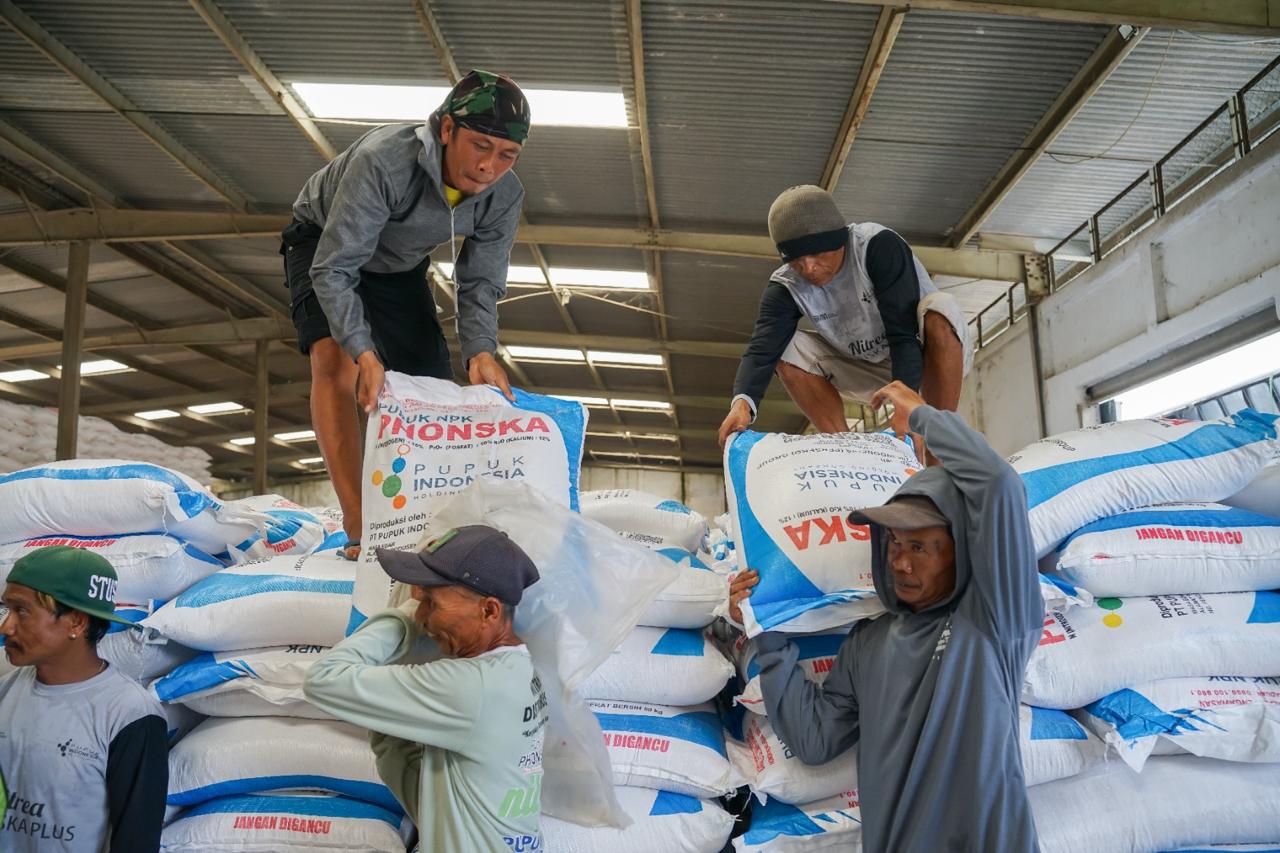
1. Ensuring equal and timely fertilizer availability for farmers, especially during planting seasons.
2. Controlling fertilizer prices to remain affordable, so farmers across Indonesia can access them without economic barriers.
3. Supporting the government’s fertilizer subsidy policy efficiently through controlled and monitored distribution.
4. Reducing dependency on fertilizer imports, thereby increasing the independence of the national agricultural industry.
5. Promoting the development of downstream agricultural and food industries that depend on a stable and high-quality supply of raw materials.
With sufficient production capacity, national fertilizer production serves as a strong foundation for agricultural development and food security.
Various types of fertilizers have different functions in improving agricultural yields. In Indonesia, the most commonly used and important types include:
1. Urea (Nitrogen)
Urea is the most common nitrogen fertilizer, containing about 46% nitrogen. Nitrogen is the key nutrient that stimulates leaf and stem growth. Urea is essential for staple crops such as rice, corn, and soybeans, especially during the vegetative phase.
2. NPK (Nitrogen, Phosphorus, Potassium)
Compound NPK fertilizer contains three main nutrients:
Nitrogen (N) : for vegetative growth
Phosphorus (P): to stimulate root growth and flowering
Potassium (K) : to support fruit filling and enhance plant resistance to stress
NPK is widely used to increase productivity of food and horticultural crops effectively.
3. Organic Fertilizers
Organic fertilizers are derived from natural materials such as compost, manure, and plant waste. Their main functions are to improve soil structure, increase soil microorganism activity, and maintain long-term soil fertility. Organic fertilizers are often combined with chemical fertilizers for environmentally friendly, sustainable agriculture.
4. ZA (Ammonium Sulfate)
ZA, or Zwavelzure Ammonia (Ammonium Sulfate), is a solid nitrogen fertilizer containing about 21% nitrogen and 24% sulfur. Sulfur is essential for the formation of plant proteins and enzymes, and it enhances the taste and nutritional quality of crops.
ZA is typically used for crops requiring additional sulfur, such as shallots, cabbage, and other horticultural plants. It is also more stable and easily absorbed compared to some other nitrogen fertilizers.
The Role of Fertilizers in Increasing Major Food Crop Productivity
Fertilizers directly influence the productivity of Indonesia’s main food commodities, such as:
Rice : Proper application of urea and NPK increases the number of productive tillers and grains, boosting yield per hectare.
Corn : NPK and ZA help develop larger cobs with more kernels.
Soybeans : Phosphorus and potassium improve pod formation and seed quality.
Horticulture : Crops like chili, tomato, and shallot benefit from balanced fertilization, extending harvest periods and improving fruit quality.
Through proper fertilizer use, crop productivity can increase significantly without expanding farmland—an important factor given Indonesia’s limited agricultural land.
Government Policies Supporting Fertilizer Production
The Indonesian government actively supports national fertilizer production and distribution through several key policies:
1. Fertilizer Subsidies
The government provides subsidies for certain fertilizer types—mainly urea, NPK, and organic fertilizers—to keep prices affordable for farmers, especially smallholders.
2. Maximum Retail Price (HET)
The Harga Eceran Tertinggi (HET) policy aims to cap fertilizer prices so they do not exceed certain limits, ensuring price stability for farmers as end users.
3. Regulation and Digitalization of Distribution
To minimize misuse and improve efficiency, the government promotes digitalization in fertilizer distribution, such as through monitoring applications and electronic supervision systems.
Pupuk Indonesia and Its Role in Food Security
Pupuk Indonesia is the state-owned holding company for national fertilizer producers, playing a central role in fertilizer production and distribution across the country. It makes a major contribution to maintaining the availability of quality fertilizers for farmers nationwide.
- National Production Contribution
Through its subsidiaries, Pupuk Indonesia produces major fertilizer types such as urea, NPK, ZA, and organic fertilizers in large volumes to meet domestic market demand.
- Digital Innovation: i-Pubers
Pupuk Indonesia developed the i-Pubers (Integrated Pupuk Bersubsidi) application, a digital platform ensuring transparent and targeted distribution of subsidized fertilizers. The system uses farmer data based on national ID (KTP) and electronic RDKK to ensure fertilizers reach the rightful recipients.
- Makmur/Agrosolution Program
The Makmur or Agrosolution program is Pupuk Indonesia’s initiative to provide comprehensive support for farmers, including technical assistance, access to financing, insurance, and guaranteed crop marketing. The program promotes proper fertilizer use and modern agricultural technologies, significantly improving farmers’ yields.
Challenges in National Fertilizer Production
Despite ongoing improvements, several challenges remain in national fertilizer production, such as:
- Managing the availability of key raw materials to avoid production disruption.
- Modernizing fertilizer plants to increase production efficiency and capacity.
- Improving logistics to distribute fertilizers to remote areas.
- Enhancing the quality of environmentally friendly and sustainable fertilizers.
The Future of Fertilizer Production and Food Security
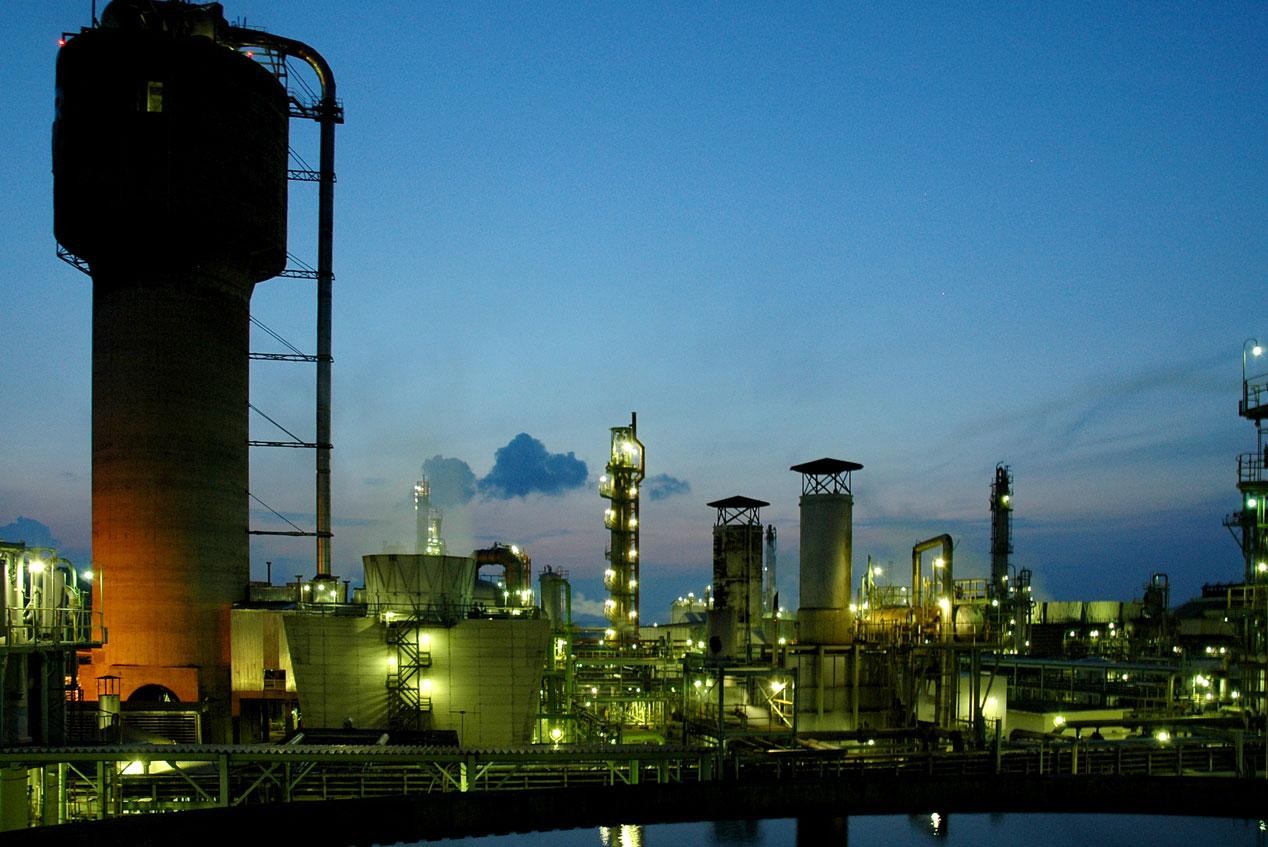
Looking ahead, national fertilizer production will continue to expand to support resilient and sustainable food security. The government and fertilizer industry plan to increase production capacity by building new plants and adopting advanced production technologies to meet farmers’ needs and maintain supply stability.
Environmentally Friendly Fertilizer Trends. Eco-friendly fertilizers, such as organic fertilizers and slow-release technology-based fertilizers, are becoming a major focus for future fertilizer production. This approach aims to reduce negative environmental impacts and preserve long-term soil fertility.