The Implementation of 2025 Retail Price Ceiling (HET) for Urea, NPK, ZA, and Organic Fertilizers
-
 Posted by
- Share


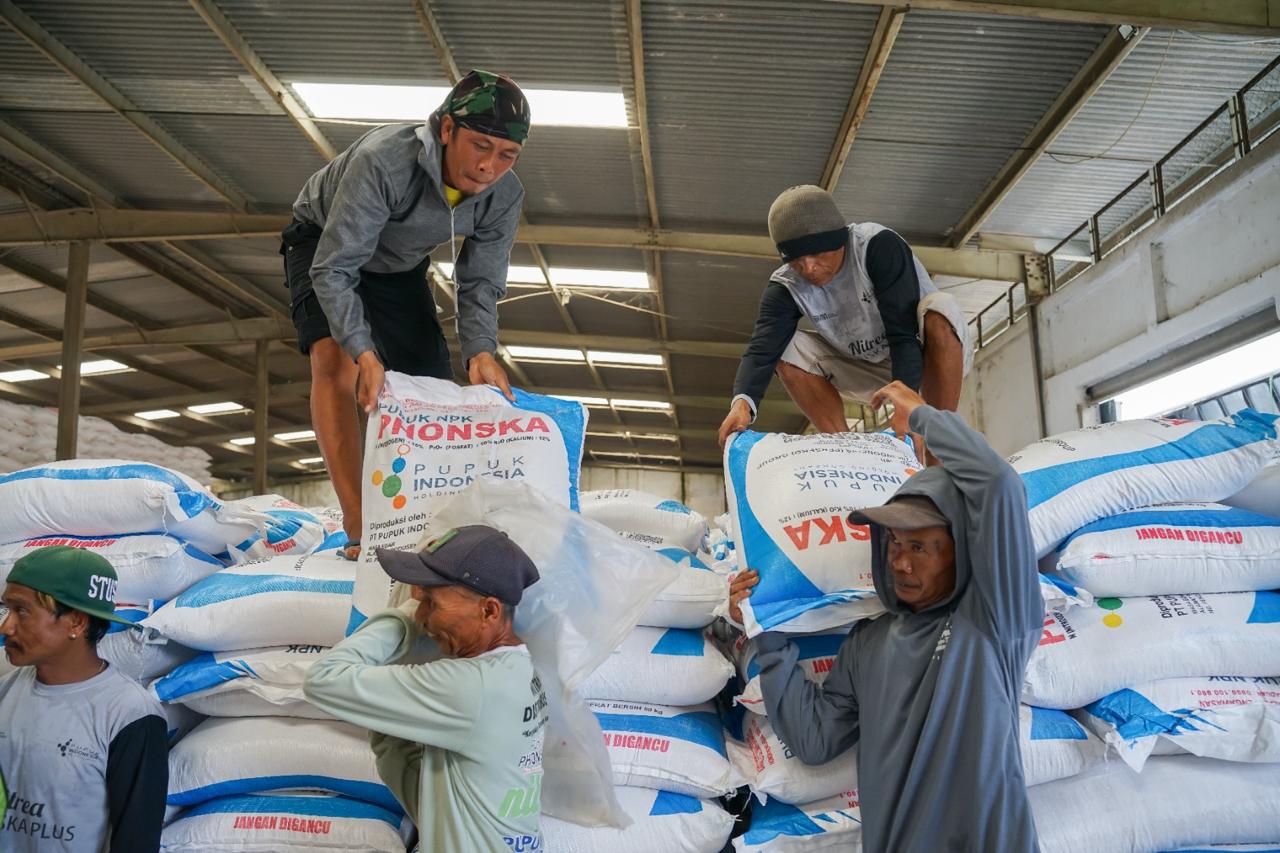
Price certainty for subsidized fertilizers has become a crucial issue for millions of farmers in Indonesia. Amid commodity price fluctuations and distribution challenges, the establishment of the 2025 Retail Price Ceiling (HET) for subsidized fertilizers represents a strategic government initiative to maintain a balance between availability, affordability, and fairness for smallholder farmers. Subsidized fertilizers are not merely a form of financial assistance, but a vital instrument in safeguarding national food security and agricultural productivity.
Through the implementation of the 2025 HET, the government reaffirms its commitment to creating a transparent, efficient, and farmer-oriented fertilizer distribution system. Let’s take a closer look at why this policy is so important, the established price levels, and the positive impacts it brings to Indonesia’s agricultural sector.
The Role of Subsidized Fertilizers in Supporting Farmers’ Productivity
For farmers, fertilizer is one of the key production factors determining harvest outcomes. Without fertilizers, soil fertility declines, land productivity decreases, and farmers’ incomes are adversely affected. However, not all farmers can afford non-subsidized fertilizers, which are relatively expensive—especially when global fertilizer raw material prices rise due to geopolitical tensions and energy market fluctuations.
This is where subsidized fertilizers play a pivotal role as a productivity buffer, enabling small farmers to continue cultivating their land optimally. Through the subsidy policy, the government covers part of the fertilizer cost, allowing farmers to purchase it at a more affordable price. The impact is significant: national food production remains stable, food prices are controlled, and farmers’ welfare improves.
For the subsidy policy to be truly effective, price certainty at the retail level is essential. Without clear price limits, the risks of irregularities or regional price disparities could emerge. This is precisely where the Retail Price Ceiling (HET) plays a crucial role.
Price certainty for subsidized fertilizers has become a crucial issue for millions of farmers in Indonesia. Amid commodity price fluctuations and distribution challenges, the establishment of the 2025 Retail Price Ceiling (HET) for subsidized fertilizers represents a strategic government initiative to maintain a balance between availability, affordability, and fairness for smallholder farmers. Subsidized fertilizers are not merely a form of financial assistance, but a vital instrument in safeguarding national food security and agricultural productivity.
Through the implementation of the 2025 HET, the government reaffirms its commitment to creating a transparent, efficient, and farmer-oriented fertilizer distribution system. Let’s take a closer look at why this policy is so important, the established price levels, and the positive impacts it brings to Indonesia’s agricultural sector.
The Role of Subsidized Fertilizers in Supporting Farmers’ Productivity
For farmers, fertilizer is one of the key production factors determining harvest outcomes. Without fertilizers, soil fertility declines, land productivity decreases, and farmers’ incomes are adversely affected. However, not all farmers can afford non-subsidized fertilizers, which are relatively expensive—especially when global fertilizer raw material prices rise due to geopolitical tensions and energy market fluctuations.
This is where subsidized fertilizers play a pivotal role as a productivity buffer, enabling small farmers to continue cultivating their land optimally. Through the subsidy policy, the government covers part of the fertilizer cost, allowing farmers to purchase it at a more affordable price. The impact is significant: national food production remains stable, food prices are controlled, and farmers’ welfare improves.
For the subsidy policy to be truly effective, price certainty at the retail level is essential. Without clear price limits, the risks of irregularities or regional price disparities could emerge. This is precisely where the Retail Price Ceiling (HET) plays a crucial role.
What Is the Retail Price Ceiling (HET) for Subsidized Fertilizers?
The Retail Price Ceiling (HET) for subsidized fertilizers is the maximum selling price set by the government for the sale of subsidized fertilizers to farmers. In other words, authorized retailers are prohibited from selling subsidized fertilizers above this fixed price. HET serves as a national price benchmark to ensure uniform fertilizer prices for farmers across all regions—whether in Java, Sumatra, Kalimantan, or remote areas in Eastern Indonesia.
The main objectives of setting the HET are
1. To protect small farmers from unfair price manipulation by retailers.
2. To ensure equitable distribution so that all farmers can access fertilizers at the same price.
3. To prevent malpractice, such as overpricing or diversion of subsidized fertilizers to unauthorized parties.
4. To provide business certainty for both farmers and distributors, since the official prices are clearly regulated by the government.
In other words, the HET serves as both a price protection mechanism and a policy control tool to ensure that the fertilizer subsidy program reaches its intended beneficiaries.
List of Retail Price Ceiling (HET) for Subsidized Fertilizers in 2025
The government, in collaboration with Pupuk Indonesia, has set the official HET for subsidized fertilizers for the year 2025. This determination is based on evaluations from previous years and considers various factors, including production costs, distribution expenses, and farmers’ purchasing power.
The official list of subsidized fertilizer HETs is stipulated in Decree No. 1117/Kpts./SR.310/M/10/2025:
| Jenis Pupuk | Harga Eceran Tertinggi (HET) |
| Urea Subsidi | Rp 1.800 per kg |
| NPK Subsidi | Rp 1.840 per kg |
| ZA Subsidi | Rp 1.360 per kg |
| Organik Subsidi | Rp 640 per kg |
| NPK untuk Kakao | Rp 2.640 per kg |
These prices apply nationwide and are established by the government through official regulations. This means that every retailer or kiosk distributing subsidized fertilizers must comply with these provisions without exception.
The establishment of this Retail Price Ceiling (HET) is expected to provide fair price certainty for farmers across Indonesia. In addition, these prices also serve as a reference point for distribution monitoring by government authorities, agricultural agencies, and law enforcement officers in the field.
Why Is Price Certainty Through HET So Important?
Price certainty is not merely a number on paper. For farmers, it represents a guarantee of farming continuity. When fertilizer prices fluctuate or are sold above the HET, farmers are forced to bear higher production costs. As a result, profit margins decline, and their motivation to cultivate crops weakens.
Several reasons explain why price certainty through the HET for subsidized fertilizers is so crucial:
1. Maintaining stability in agricultural production costs
With predictable fertilizer prices, farmers can plan their planting budgets more effectively.
2. Protecting small farmers from unfair practices
The HET closes loopholes for unscrupulous parties who sell subsidized fertilizers above the official price.
3. Increasing trust in government programs
Farmers feel protected and valued when policies are implemented fairly and transparently.
4. Ensuring the sustainability of the subsidy program
With strict price monitoring, the government can ensure that subsidies reach the right beneficiaries and prevent leakage.
Through consistent implementation of the HET, the government aims to eliminate price disparities between regions and minimize farmers’ complaints regarding fertilizer prices that violate regulations.
Firm Actions by the Government and Pupuk Indonesia in Implementing the 2025 HET
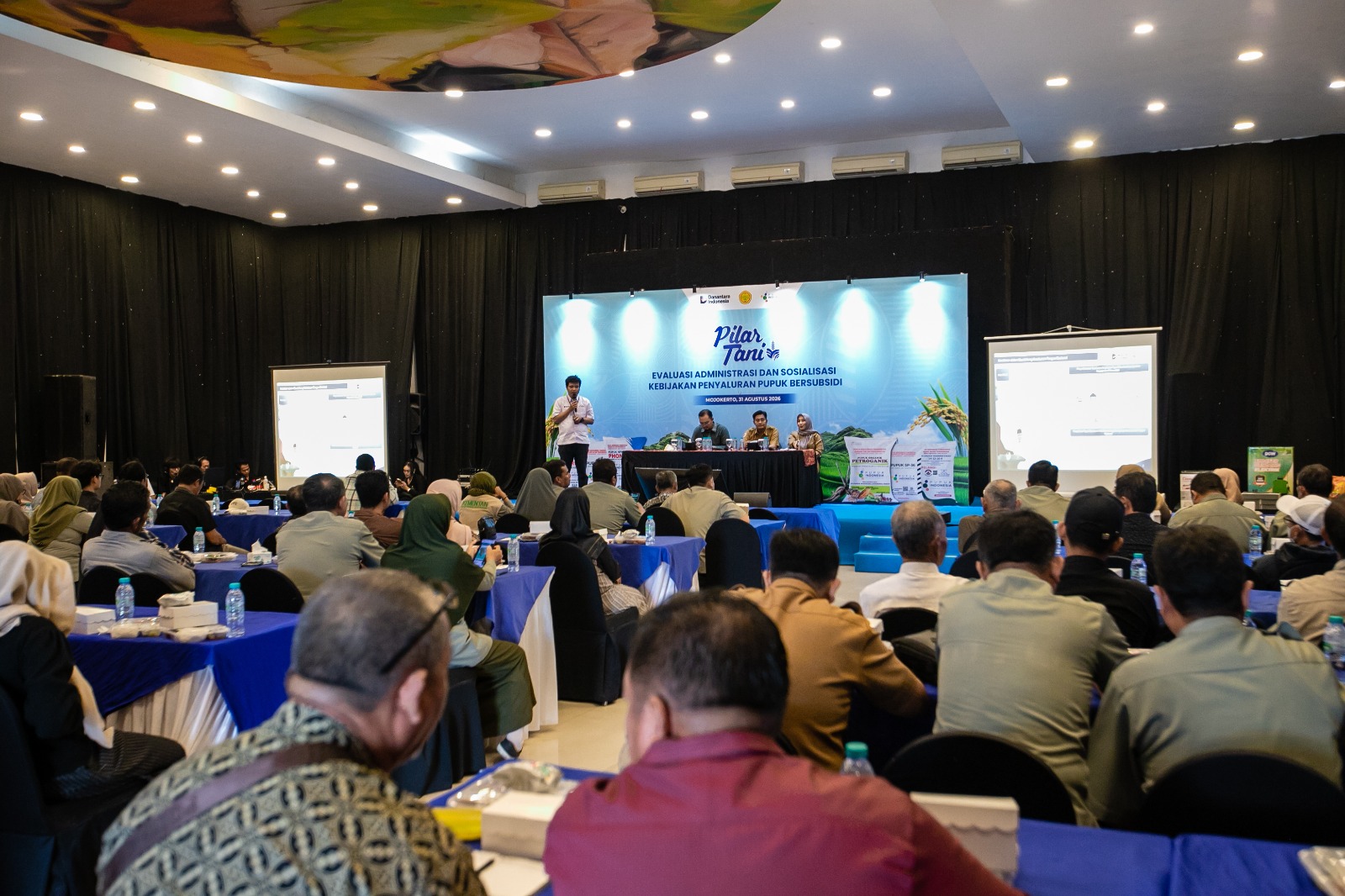
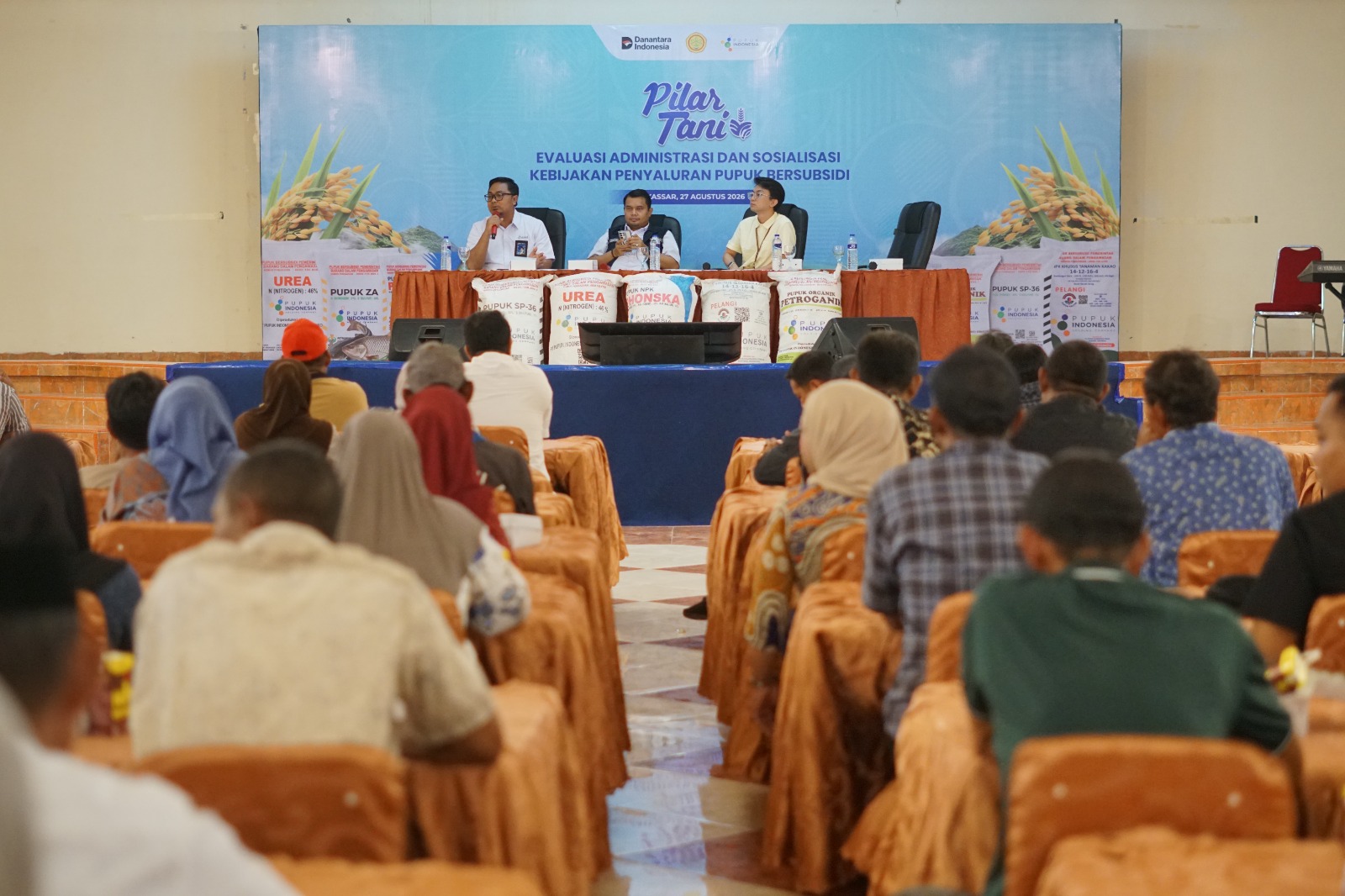
The government not only sets prices but also enforces strict measures to uphold the HET policy in the field. In collaboration with Pupuk Indonesia, several control mechanisms and enforcement strategies have been strengthened to ensure the policy’s effectiveness.
Key measures include:
1.Multi-layered distribution monitoring
Every stage of distribution—from producers and distributors to retailers—will be closely monitored using a digital system.
2. Sanctions for violators
Retailers who sell subsidized fertilizers above the HET or distribute them to unauthorized parties will face administrative sanctions or even have their distribution permits revoked.
3. Coordination with local authorities and law enforcement
Local governments, together with the military (TNI) and police (Polri), will conduct regular monitoring and field inspections.
4. Transparency in stock and distribution
Fertilizer availability data can now be tracked in real time through Pupuk Indonesia’s digital system, minimizing the risk of irregularities.
These measures demonstrate that implementing the HET is not merely an administrative regulation but a national commitment to protect farmers and strengthen Indonesia’s food security.
Positive Impacts of the 2025 HET Implementation for Farmers and National Agriculture
The 2025 subsidized fertilizer HET policy not only provides price certainty but also generates numerous positive impacts that directly benefit farmers and the agricultural sector as a whole.
- More stable and affordable fertilizer prices
Farmers no longer have to worry about price spikes during the planting season, as prices are uniform across Indonesia.
- Improved farming efficiency
With price certainty, farmers can better manage production costs and focus on improving crop quality.
- Strengthened national food security
Guaranteed fertilizer availability and controlled prices directly boost agricultural productivity.
- Promoting regional economic equality
Uniform fertilizer prices help reduce the gap between farmers in developed regions and those in remote areas.
- Enhancing trust in government programs
Clear pricing and transparent distribution strengthen the partnership between farmers and the government as development partners.
Beyond its economic impact, the HET policy also carries important social dimensions. Smallholder farmers—often the most vulnerable to price manipulation and fertilizer scarcity—now receive tangible protection. Price certainty helps them plan their planting seasons with greater confidence and optimism.
Synergy Toward Sovereign and Sustainable Agriculture
The implementation of the 2025 subsidized fertilizer HET is part of the government’s broader strategy to achieve sovereign, productive, and sustainable agriculture. This policy is interconnected with efforts to improve farmer data accuracy, enhance logistics efficiency, and accelerate digital transformation in the agricultural sector.
The government, together with state-owned fertilizer companies such as Pupuk Indonesia, is expected to continue expanding innovation—through digital distribution systems, increased production capacity, and farmer education programs to enhance technological and price awareness.
By combining price stability, transparent distribution, and strict supervision, Indonesia can strengthen its food security while ensuring that every farmer receives their rightful support fairly and equitably.