Understanding the Requirements for Subsidized Fertilizer Eligibility
-
 Posted by
- Share



Requirements for Subsidized Fertilizer Eligibility
Subsidized fertilizer is a government support program designed to help farmers meet their fertilization needs at more affordable prices. The program is intended for specific eligible beneficiaries to ensure that fertilizer allocations are distributed according to agricultural needs.
To qualify for subsidized fertilizer, farmers must meet several administrative and technical requirements, including land ownership or cultivation size, farmer group membership, and registration of fertilizer requirements in the Electronic Definitive Group Requirements Plan (e-RDKK) system. Here is an overview of the requirements farmers need to understand.
Who Is Eligible for Subsidized Fertilizer?
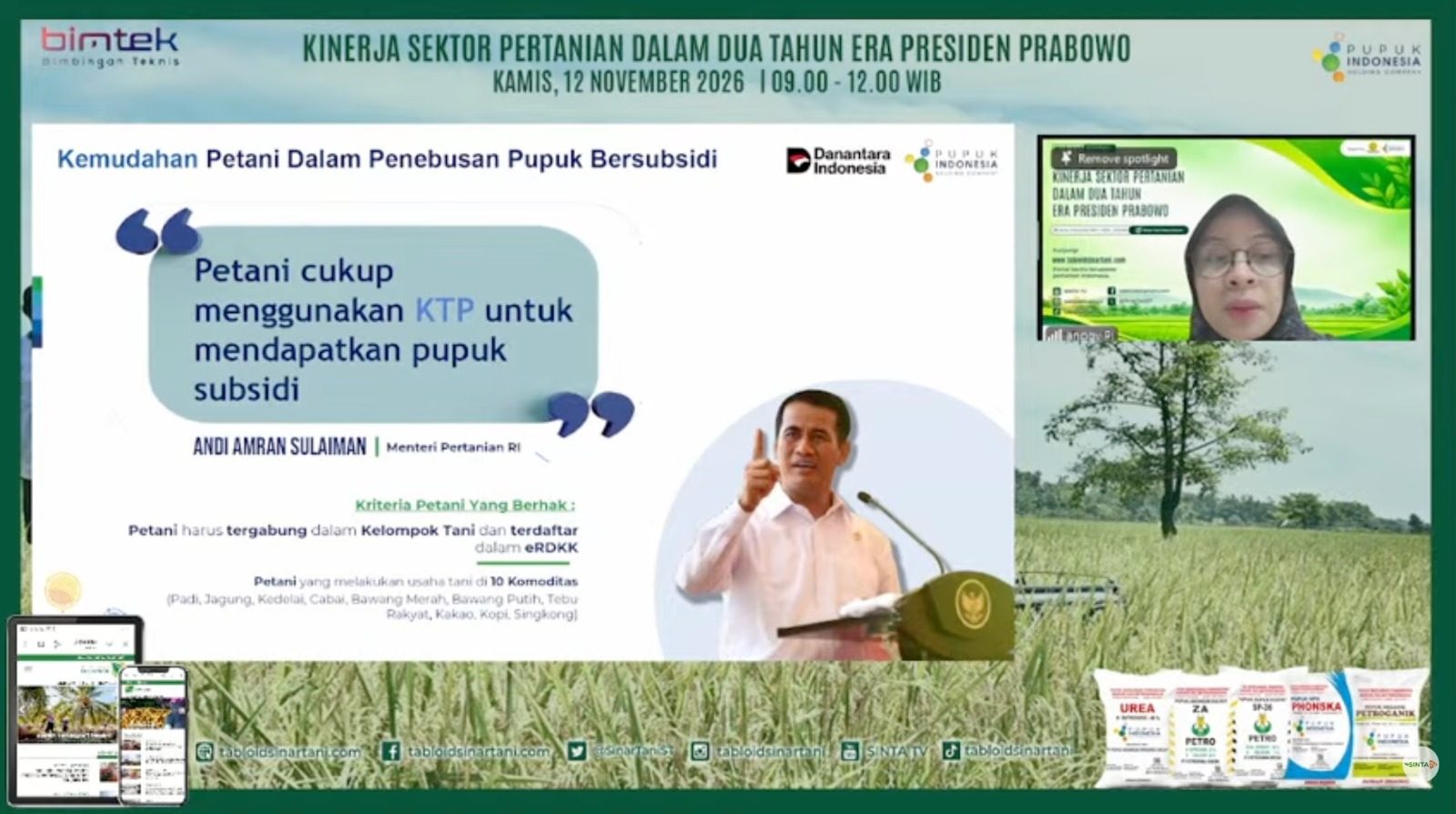
Subsidized fertilizer for the agricultural sector is allocated to farmers engaged in food crops, horticulture, and plantation farming, with a maximum cultivated land area of 2 hectares per planting season.
In addition to meeting the land area requirements, farmers must be members of a farmer group and registered in the e-RDKK system. Farmers affiliated with Forest Village Community Institutions (LMDH) or other institutions that meet the applicable criteria may also be eligible.
These requirements serve as the basis for determining subsidized fertilizer beneficiaries. Therefore, farmers should ensure that their membership status and registration data are accurate and up to date before submitting their fertilizer requirements.
What Agricultural Commodities Are Eligible for Subsidized Fertilizer?
The government has designated 10 agricultural commodities as eligible for subsidized fertilizer under the agricultural sector program. These commodities fall into the following three subsectors.
1. Food Crops
Rice
Corn
Soybeans
Cassava
2. Horticulture
Chili peppers
Shallots
Garlic
3. Plantations
Coffee
Cocoa
Sugarcane
The designation of these commodities serves as one of the criteria for determining subsidized fertilizer eligibility. Farmers cultivating commodities outside this list are not automatically eligible for subsidized fertilizer under the agricultural sector program.
Why Are Farmer Groups and SIMLUHTAN Required?
Farmer groups serve as a platform for farmers to coordinate their agricultural input requirements, including fertilizer. Through these groups, member data and fertilizer needs can be collected and managed in a coordinated manner.
Meanwhile, the Agricultural Extension Management Information System (SIMLUHTAN) supports the recording and management of farmer and agricultural institution data within the agricultural extension system.
Registration in farmer groups and SIMLUHTAN forms part of the administrative requirements for subsidized fertilizer eligibility. Farmers should ensure that their identity and membership information are properly recorded to participate in the fertilizer needs submission process.
What Is the Role of e-RDKK in Determining Subsidized Fertilizer Allocations?
e-RDKK is an electronic system used to collect and establish data for the Definitive Group Requirements Plan (RDKK) for subsidized fertilizer. The data serves as one of the bases for planning and determining fertilizer allocations for farmers.
The information collected through e-RDKK includes:
Farmer identification
Cultivated land area and location
Agricultural commodities being cultivated
Planned fertilizer requirements based on the planting period
The data should accurately reflect actual farming conditions. If there are changes in land area, location, or cultivated commodities, farmers should report these updates through their farmer groups and local agricultural extension officers.
The Ministry of Agriculture also strengthens the validation process to ensure that beneficiary data and fertilizer requirements reflect actual field conditions. Previous year's data cannot automatically be carried forward without re-examination and verification.
How Can Farmers Submit Their Subsidized Fertilizer Requirements?
Farmers who meet the eligibility requirements can submit their fertilizer needs through their farmer groups and agricultural extension officers. In general, the process involves the following steps:
1. Verify Farmer Group Membership
Farmers should ensure that they are registered as members of a farmer group in their agricultural area.
2. Check SIMLUHTAN Registration
Farmer identity and institutional data should be properly recorded in accordance with applicable requirements.
3. Submit Fertilizer Requirements
Farmers should submit their fertilizer requirements based on cultivated land area, agricultural commodities, and planting periods.
4. Participate in e-RDKK Data Collection
Farmer groups coordinate with Agricultural Extension Officers (PPL) to facilitate data collection and the submission of fertilizer requirements into the e-RDKK system.
5. Ensure Data Verification
Submitted data is reviewed and verified in accordance with government procedures before being used as the basis for fertilizer allocation.
Submitting fertilizer requirements does not automatically guarantee eligibility to receive subsidized fertilizer. Beneficiary status and allocations remain subject to applicable regulations and verification procedures.
Why Is Updating Farmer Data Important?
Updating farmer data is essential to ensure that subsidized fertilizer planning and allocation reflect actual farming conditions. Changes in farmer status, cultivated land area, location, or agricultural commodities may affect the accuracy of previously recorded data.
Through periodic validation, the government can identify data that needs to be corrected, including potential duplicate records or beneficiaries who are no longer active. This process helps maintain data accuracy and supports more targeted subsidized fertilizer distribution.
Therefore, farmers should ensure that the data submitted through their farmer groups accurately reflects their current farming conditions and complies with the government’s data update procedures.