Pupuk Indonesia’s Distribution Facilities Support Subsidized Fertilizer Needs During the Planting Season
-
 Posted by User01
- Share


Pupuk Indonesia’s Distribution Facilities Support Subsidized Fertilizer Needs During the Planting Season
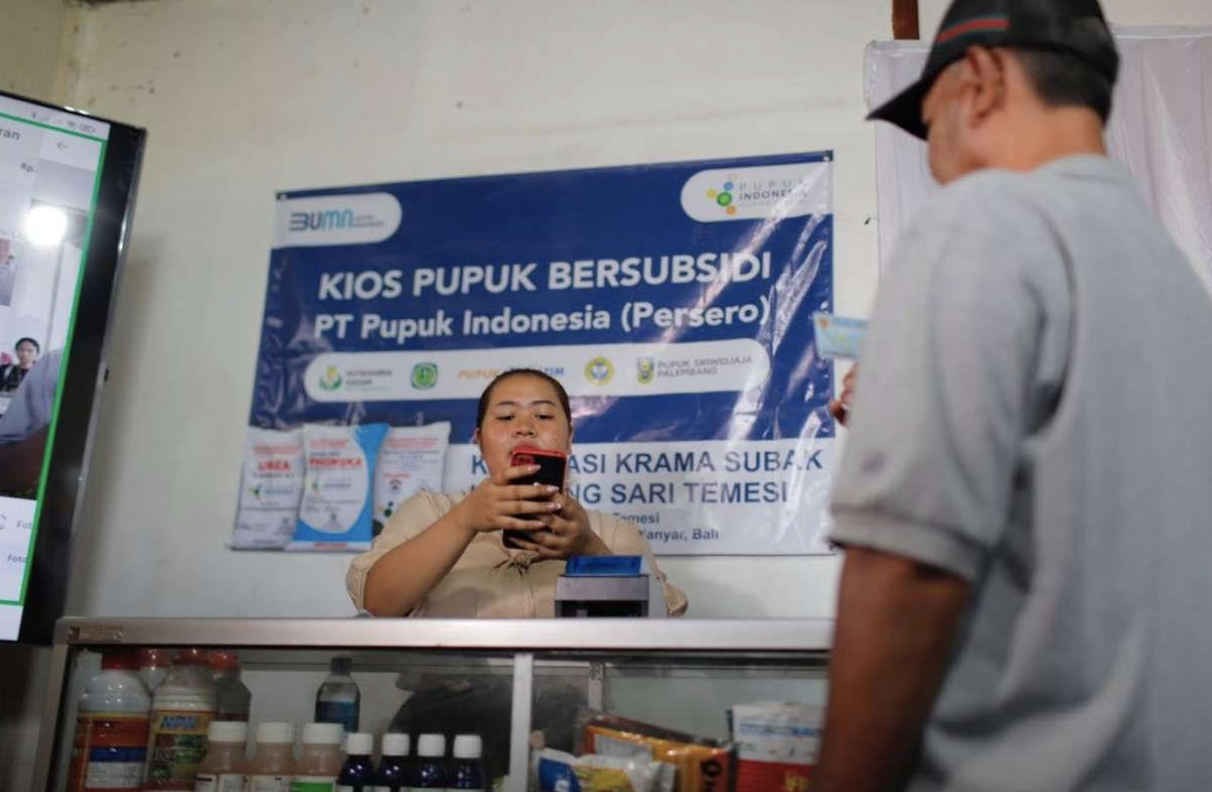
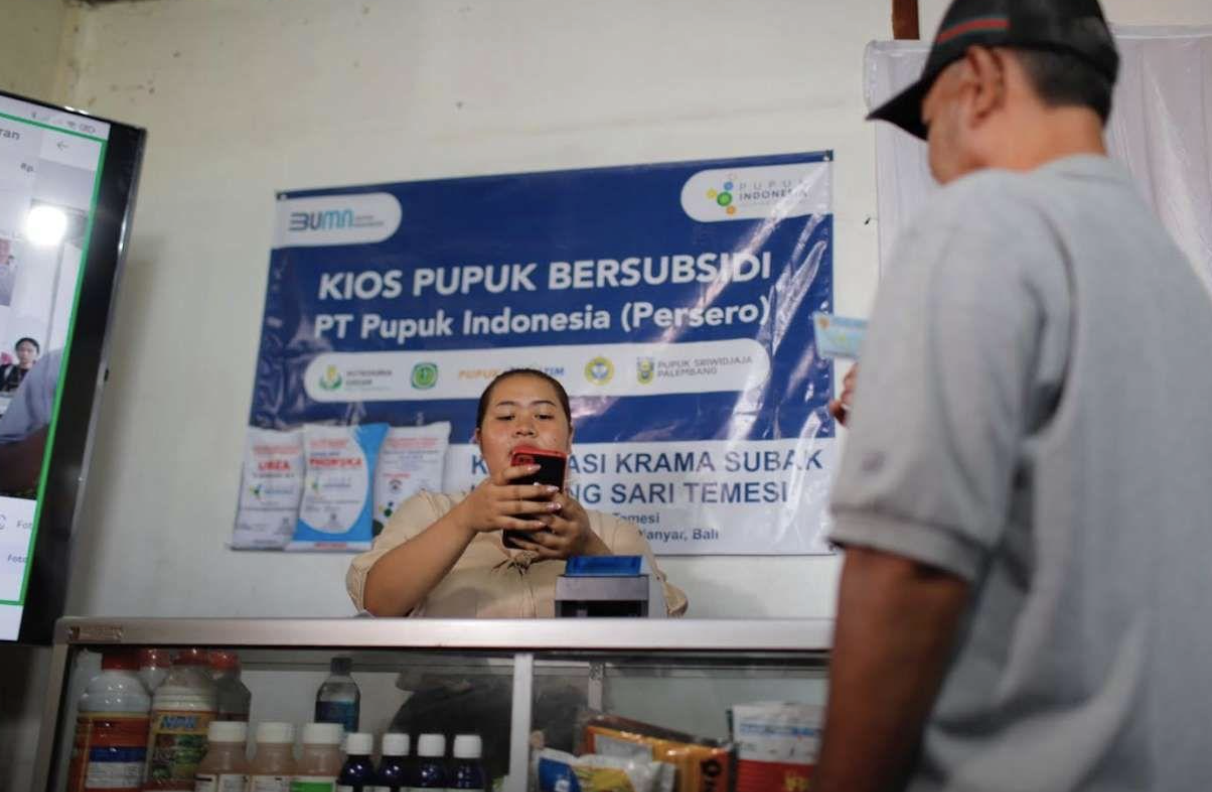
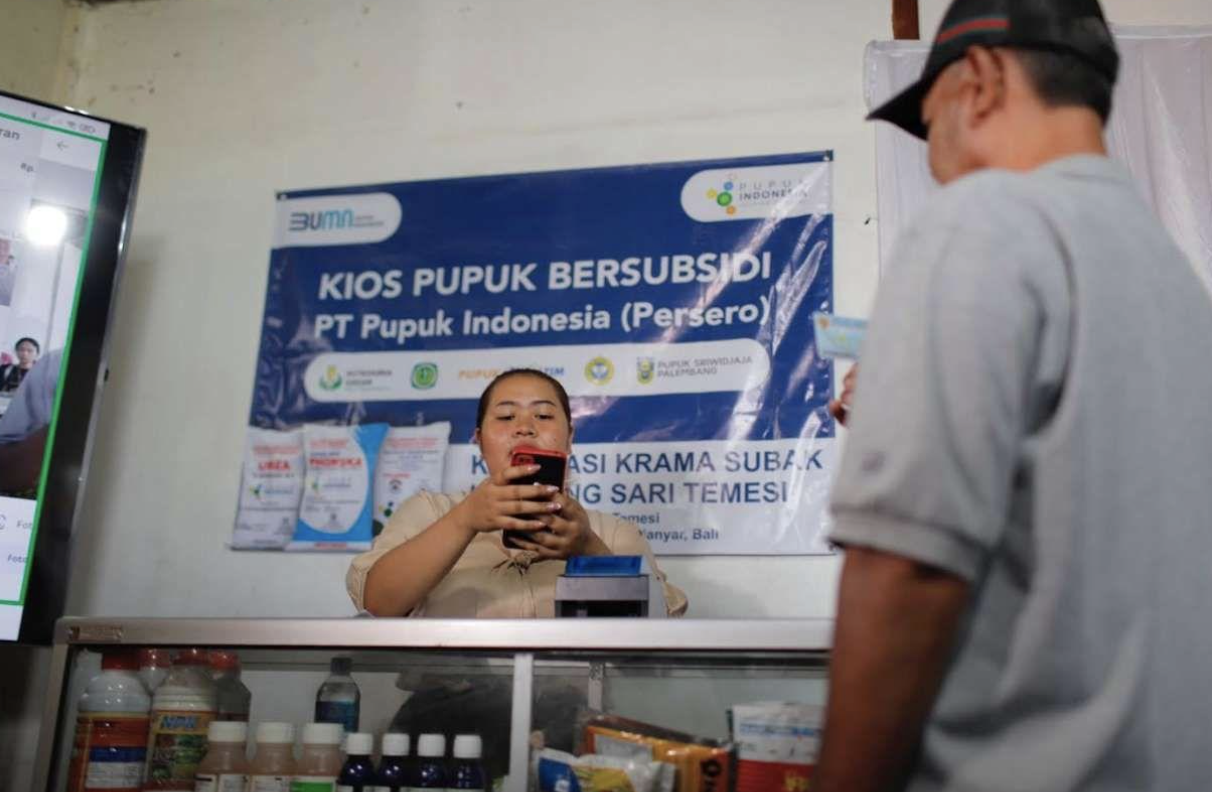
The readiness of distribution facilities is a key factor in meeting the demand for subsidized fertilizer during the planting season. With agricultural areas spread across Indonesia, from Sabang to Merauke, fertilizer distribution requires adequate storage infrastructure, transportation facilities, and distribution networks that reach various regions across the country.
PT Pupuk Indonesia (Persero) is supported by a nationwide distribution network comprising hundreds of warehouses, dedicated port complexes, various transportation routes, and thousands of business partners and designated distribution points. This infrastructure supports stock management and fertilizer distribution to ensure that farmers can access fertilizer according to their needs and applicable regulations.
How Does the National Distribution Network Support Fertilizer Delivery?
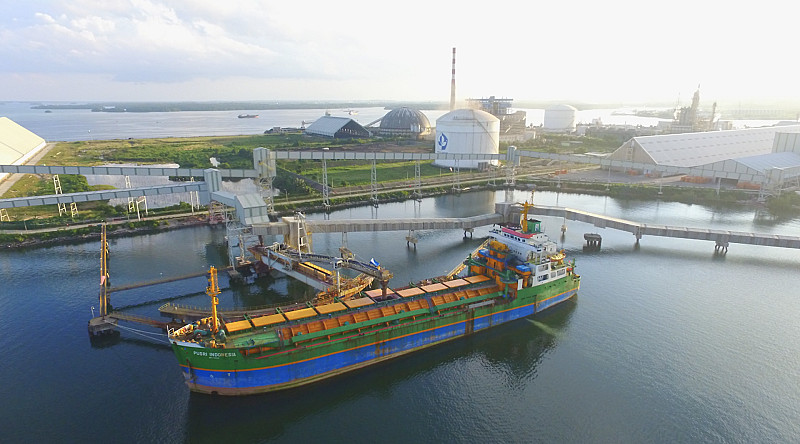
Pupuk Indonesia operates distribution facilities designed to support fertilizer storage and delivery to various regions. This infrastructure includes warehouses, ports, land and sea transportation facilities, and distribution networks connecting the company with fertilizer recipients across the country.
Nationally, Pupuk Indonesia’s distribution infrastructure comprises:
494 warehouses with a total capacity of 2.84 million tons.
5 warehouses owned by subsidiaries with a capacity of 912,000 tons.
Bagging warehouses with a capacity of 292,000 tons.
Buffer warehouses with a capacity of 1,638,197 tons.
17 fertilizer buffer units or bagging distribution centers (DCs).
4 dedicated port complexes supporting logistics operations.
204 sea freight routes supporting interregional transportation.
1,292 truck logistics routes supporting land transportation.
3 railway routes as part of the logistics transportation network.
1,047 Distribution Business Partners (Pelaku Usaha Distribusi/PUD) supporting distribution activities.
26,634 Designated Distribution Point Recipients (Penerima Pupuk pada Titik Serah/PPTS) within the subsidized fertilizer distribution network.
These facilities work together to support fertilizer storage, transportation, and delivery from production areas to destinations across Indonesia. Warehouse capacity provides sufficient storage space, while transportation and distribution networks facilitate the movement of fertilizer to designated distribution points.
With this infrastructure in place, distribution readiness plays an important role in maintaining the availability of subsidized fertilizer, particularly when demand increases before and during the planting season.
Regional Operations Support Fertilizer Distribution from Sabang to Merauke
To support distribution management across Indonesia’s vast territory, Pupuk Indonesia divides its operational coverage into four regions, each led by a Regional Chief Executive Officer (RCEO). This structure facilitates operational management and coordination of fertilizer distribution across different areas.
The regional divisions are as follows:
RCEO 1
Covers Aceh, North Sumatra, South Sumatra, the Riau Islands, Jambi, Bengkulu, and Lampung.
RCEO 2
Covers Jakarta, Banten, West Java, Central Java, the Special Region of Yogyakarta, West Kalimantan, and Central Kalimantan.
RCEO 3
Covers East Java, Bali, West Nusa Tenggara (NTB), East Nusa Tenggara (NTT), South Kalimantan, East Kalimantan, and North Kalimantan.
RCEO 4
Covers Sulawesi, Maluku, North Maluku, and Papua.
This regional structure supports operational coordination based on the characteristics and needs of each area. With clearly defined regional coverage, distribution management can be adjusted to local geographical conditions, transportation access, and fertilizer delivery requirements.
Transportation Facilities Support Subsidized Fertilizer Distribution
Delivering fertilizer to various regions requires a combination of transportation modes suited to local geographical conditions and logistics access. Pupuk Indonesia is supported by sea, land, and rail transportation networks that connect storage facilities with destination areas.
Sea transportation plays an important role in inter-island shipments, while trucks support the movement of fertilizer through road networks. Rail transportation is also part of the logistics options available on designated routes.
The four dedicated port complexes, 204 sea freight routes, 1,292 truck logistics routes, and three railway routes strengthen the transportation network used to support distribution operations.
The use of multiple transportation modes allows deliveries to be tailored to regional characteristics and available logistics routes. This is essential to ensure that regional fertilizer requirements can be met through shipment planning that considers distance, transit time, and transportation capacity.
Challenges in Fertilizer Distribution Across Indonesia
Fertilizer distribution in Indonesia presents unique challenges due to differences in geographical conditions across regions. Archipelagic territories, distances between areas, transportation access, and varying infrastructure conditions all influence shipment planning and stock management.
Fertilizer demand is also closely linked to planting schedules and local agricultural conditions. Therefore, distribution readiness must be supported by operational coordination to ensure that fertilizer availability aligns with regional needs and allocated quantities.
Addressing these challenges requires distribution management that considers warehouse capacity, transportation availability, delivery routes, and the readiness of distribution networks. Interregional coordination is also essential to maintaining smooth logistics operations, particularly when fertilizer demand increases during certain periods.
Pupuk Indonesia Manages Fertilizer Stocks Across Regions
Stock management is an important component of maintaining readiness for subsidized fertilizer distribution. Adequate warehouse capacity supports fertilizer storage before shipments are dispatched to destination areas according to demand.
Buffer warehouses and other distribution facilities also support inventory management throughout the logistics network. Stock placement needs to take into account regional demand, shipment plans, transportation access, and distribution schedules.
In addition to storage readiness, coordination between regional operations and distribution networks is necessary to ensure that deliveries can be planned systematically. Through coordinated stock management, fertilizer distribution can be directed toward meeting farmers’ needs in accordance with allocated quantities and applicable regulations.
Technology Supports Fertilizer Distribution Monitoring
Beyond physical infrastructure, technology plays an important role in supporting distribution monitoring. Information on inventory, shipments, and deliveries can improve visibility across logistics operations in different regions.
Well-managed operational data can provide a basis for monitoring inventory conditions and coordinating adjustments to distribution plans when necessary. Technology can also support administrative processes and distribution records in accordance with the systems in place.
Technological support must go hand in hand with infrastructure readiness, interregional coordination, and distribution network management. This ensures that distribution monitoring relies not only on physical infrastructure but also on the effective use of information to support operational activities.
Distribution Infrastructure to Support Fertilizer Needs During the Planting Season
Distribution readiness is an essential component in supporting the fulfillment of subsidized fertilizer needs across Indonesia. Warehouse capacity, port facilities, transportation networks, regional operations, and distribution channels work together to support fertilizer logistics management.
Through its infrastructure and operational coordination, Pupuk Indonesia continues to carry out its role in supporting fertilizer distribution in line with demand, allocated quantities, and applicable regulations. This readiness is an important part of supporting agricultural activities, particularly during the planting season when farmers need fertilizer to cultivate their land.