In line with the President’s Asta Cita vision, Pupuk Indonesia Supports National Food Self-Sufficiency
-
 Posted by
- Share


President Prabowo Subianto has established eight national priority programs known as Asta Cita. One of the key points of this program is to achieve national economic independence by advancing strategic sectors such as industry, energy, defense, and no less importantly, agriculture and food. Efforts to build national food security have become increasingly relevant, in line with the growing public demand and the need to maintain economic stability through the real sector.
Food independence is not merely about meeting consumption needs, but also a critical component in safeguarding national sovereignty. When Indonesia is capable of producing food independently, it not only reduces reliance on imports but also strengthens comprehensive national resilience. Therefore, support for the agricultural sector is one of the main focuses in implementing Asta Cita. This opens up broad opportunities for collaboration between the government and strategic stakeholders, such as Pupuk Indonesia, to deliver real solutions for strengthening the national agricultural ecosystem.
National Food Security
Indonesia, as an agrarian country, has tremendous potential in agriculture. However, both global and domestic challenges must be anticipated wisely. Climate change has led to unpredictable weather patterns, arable land is limited, and the growing population adds further complexity to maintaining consistent food production. At the same time, public food demand continues to rise each year.This situation pushes us all to strengthen our food security systems—not only in terms of production, but also efficiency, distribution, and technology utilization. These goals cannot be achieved without quality and accessible agricultural inputs, one of the most vital being fertilizer. Fertilizer is a crucial element in sustaining agricultural productivity, improving soil fertility, and increasing farmers' crop yields.
The Strategic Role of Fertilizer in Supporting Food Security
In practice, fertilizer serves as the primary source of nutrients for plants. Without fertilizer, plants struggle to grow optimally, especially on land that has been intensively used over long periods. The correct type, dosage, and timing of fertilizer application directly affect agricultural productivity. Improved agricultural productivity leads to increased national food availability. Therefore, fertilizer plays a vital role in strengthening national food security, particularly in efforts to realize food self-sufficiency as envisioned in Asta Cita.
Pupuk Indonesia’s Commitment to Food Independence
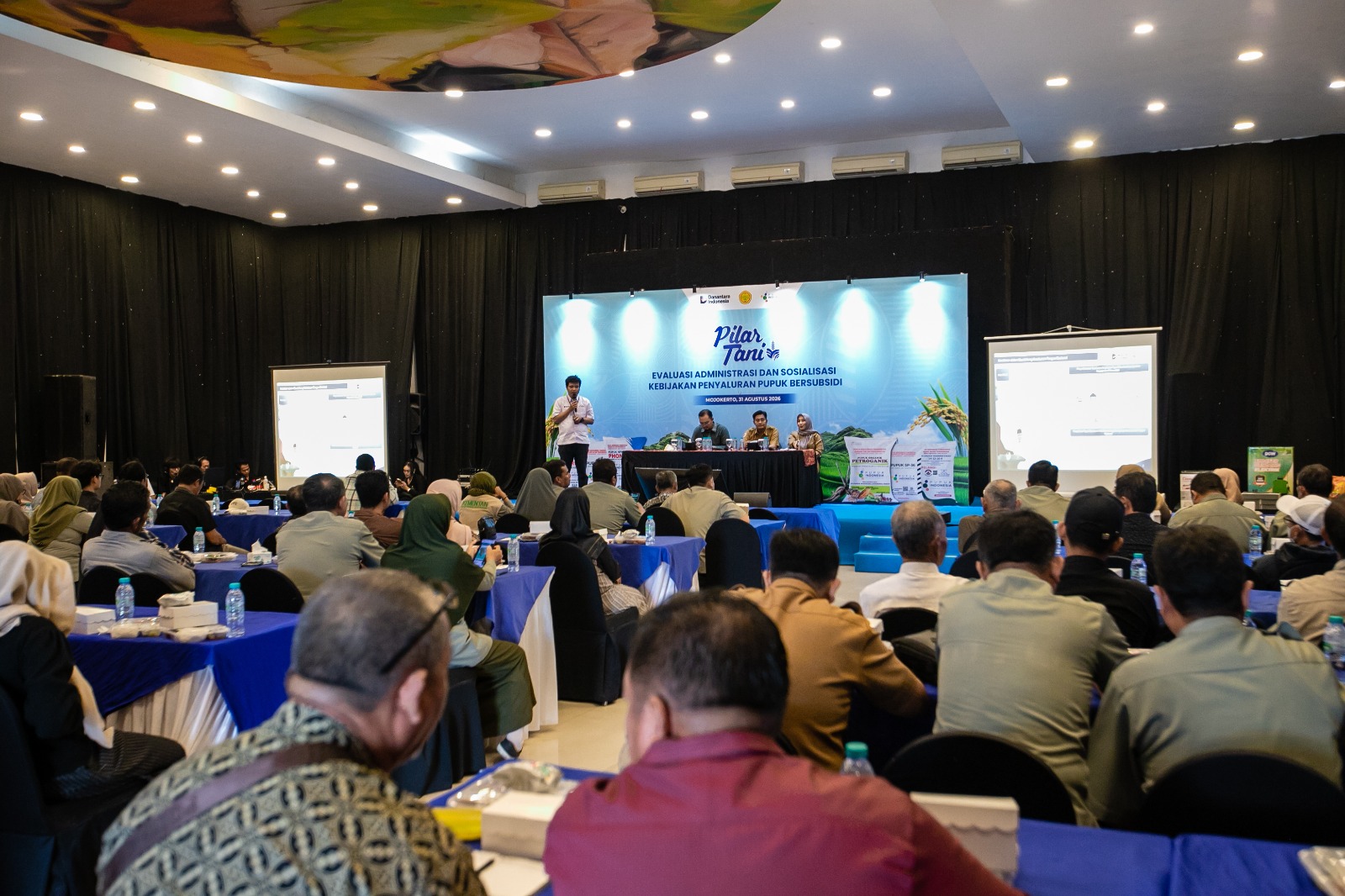
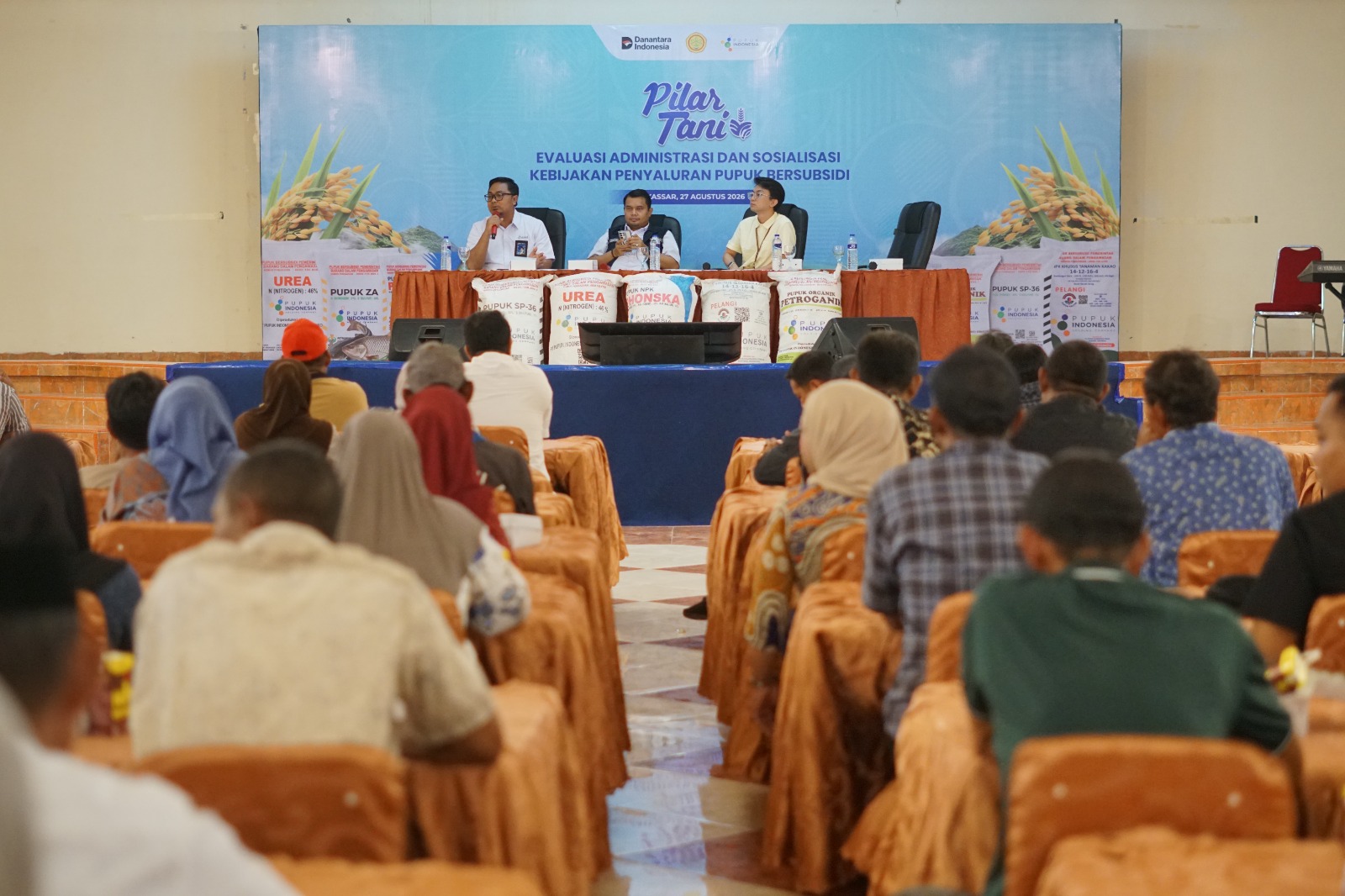
Recognizing the great challenges and opportunities in the agricultural sector, Pupuk Indonesia remains committed to playing a vital role in achieving national food self-sufficiency. This commitment is carried out through integrated strategies, not only by supplying fertilizer but also by strengthening farmer education and assistance, and by promoting efficiency throughout the supply chain.
As a state-owned enterprise in the agroindustry sector, Pupuk Indonesia bears significant responsibility for ensuring national fertilizer availability. However, the company does not stop there. In line with the spirit of Asta Cita, Pupuk Indonesia actively contributes to advancing sustainable agricultural productivity and improving farmers’ welfare.
Pupuk Indonesia’s Integrated Strategy in Support of Asta Cita
To make a meaningful contribution to achieving food independence, Pupuk Indonesia implements a set of complementary strategies. These include ensuring fertilizer availability, increasing production efficiency, and strengthening farmer assistance programs.
● Ensuring Fertilizer Availability Across Indonesia
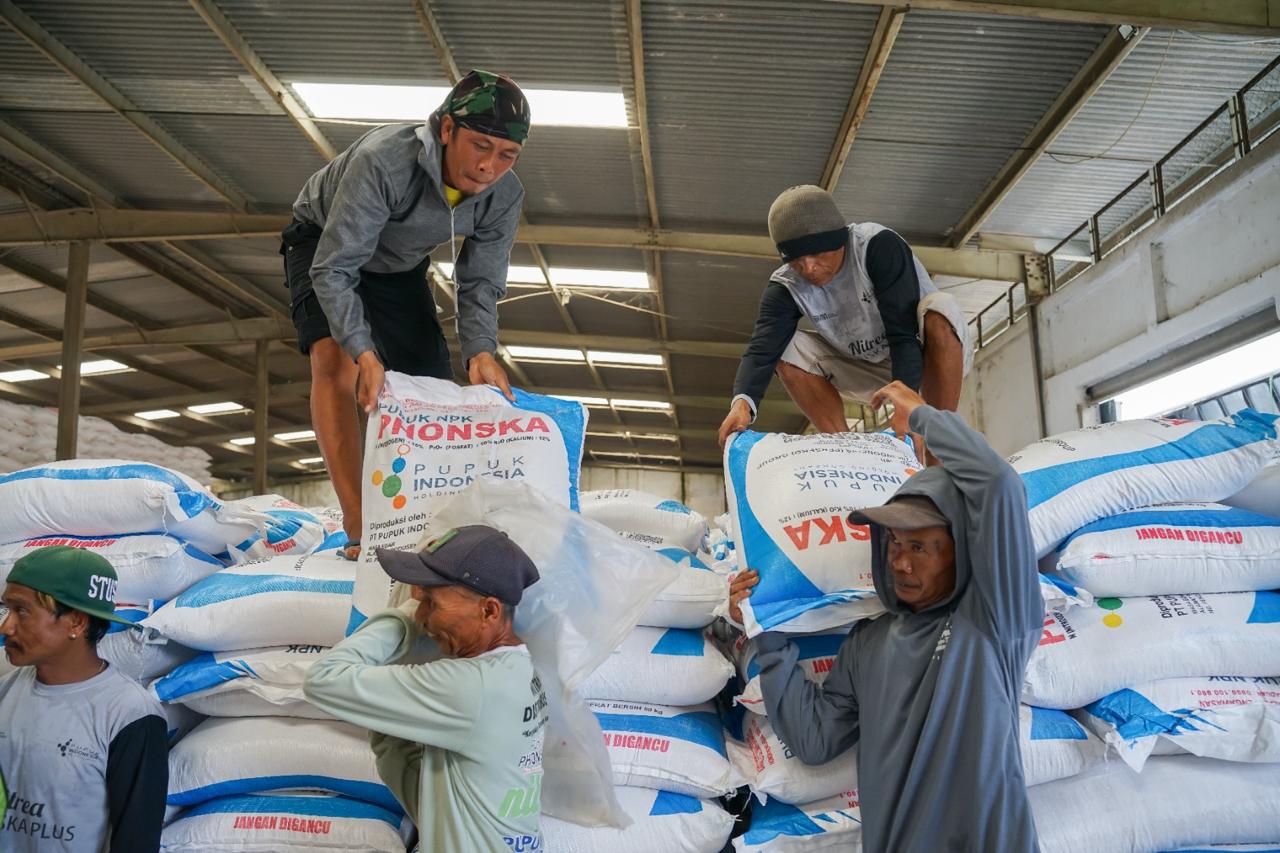
Timely and appropriate access to fertilizer is a key to success in agriculture. Pupuk Indonesia has built a multi-layered distribution system, from central warehouses to official kiosks in rural areas. This wide-reaching distribution network ensures that farmers—even in remote areas—can receive fertilizer on time and in accordance with the planting season.
A digital monitoring system has also been implemented to track fertilizer distribution in real-time. This enhances oversight, increases transparency, and accelerates decision-making in the national fertilizer supply chain.
● Improving Production Efficiency and Product Innovation
To support the transformation of the fertilizer industry, Pupuk Indonesia continues to modernize production facilities and develop more efficient products. One of its flagship products is NPK Nitrat fertilizer. This product has high absorption efficiency, is more environmentally friendly, and promotes faster plant growth. The use of NPK Nitrat can significantly increase yields without needing additional land or inputs. This innovation proves that modernization in the fertilizer sector can align with efficiency and sustainability.
● Expanding the “Makmur” Program
Another equally important strategy is the expansion of the Program Makmur (Mari Kita Majukan Usaha Rakyat – Let’s Advance People’s Enterprises). This program represents a concrete collaboration between Pupuk Indonesia and farmers to boost productivity and welfare. Through the Melalui program Makmur, farmers receive direct guidance from agricultural experts, access to quality fertilizers and seeds, and technical training to manage their land more effectively. The program is also integrated with accessible financing schemes, enabling farmers to confidently scale up their agricultural ventures.
Impact on National Food Security and the Economy
All strategies and programs implemented by Pupuk Indonesia have generated a significant positive impact on national food security and the broader economy. These benefits are felt not only by farmers but also by society as a whole, through stable food supply and prices.
● Increased Productivity and Harvest Yields
With more evenly distributed fertilizer, more efficient products, and intensive assistance, national agricultural productivity has improved. Previously underperforming lands can now produce greater yields. This supports the gradual and measurable realization of food self-sufficiency.
● Price Stability and Improved Purchasing Power
Higher crop yields contribute to stable food prices in the market. With adequate supply, prices remain stable and affordable for consumers. On the other hand, increased farmer income boosts their purchasing power and stimulates the local economy—especially in major food-producing regions.
● Reducing Dependence on Imported Food
One major benefit of increased domestic production is the reduced need for importing strategic food commodities. By strengthening local production, Indonesia can maintain trade balance and reduce price fluctuations due to global disruptions.
This step also reinforces national food resilience, making Indonesia more self-reliant and prepared to face future challenges.
Pupuk Indonesia Is Ready to Be Part of the National Food Self-Sufficiency Solution
Through synergy between the government, state-owned enterprises, and the public, food independence is not just an ideal—it is a tangible goal we can achieve together. Pupuk Indonesia, with its vast experience and wide-reaching network, expresses its full readiness to continue contributing to this great journey. We will continue to innovate, enhance our services, and support farmers to ensure that Indonesia’s agricultural system becomes ever stronger. Aligned with the spirit of Asta Cita, Pupuk Indonesia aims to be part of a long-term solution toward a sovereign, self-reliant, and prosperous Indonesia—through the food sector.