The Role of Subsidized Fertilizer for Indonesian Farmers
-
 Posted by
- Share


National food security is currently facing increasingly complex pressures. Extreme climate change is affecting planting cycles and crop yields. On the other hand, the continuous growth of the population demands a large and stable supply of food. The conversion of agricultural land into industrial or residential areas is also further reducing the space for food production. In this situation, collaborative efforts are needed to maintain the sustainability of Indonesia’s agricultural sector.
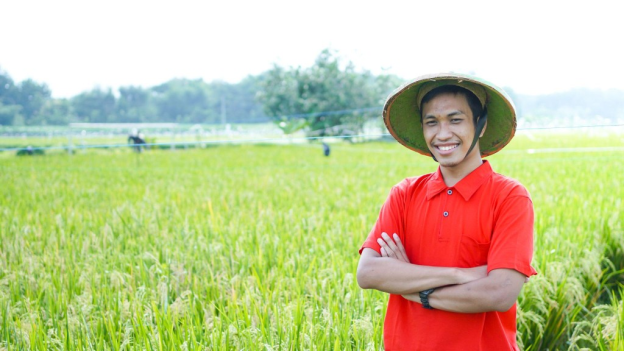
Behind every plate of food served on the table lies the hard work of farmers who tirelessly cultivate the land and ensure the continuity of food production. They are the main pillar of the national food system, ensuring the availability of staple foods amidst natural and economic challenges. Their role is crucial in maintaining the stability of food supply for all Indonesian people.
Government Support for Agricultural Productivity
To maintain the spirit and performance of farmers, the government continues to introduce various policies that support agricultural productivity. One tangible form of this support is the subsidized fertilizer program, designed to ensure that farmers continue to have access to quality fertilizers at more affordable prices. This policy is one of the key pillars in maintaining the continuity of national agricultural production. To achieve this, the government has simplified regulations and improved the governance of subsidized fertilizers through Presidential Regulation (Perpres) No. 6 of 2025 on Subsidized Fertilizer Governance.
Simplification of Governance Through Perpres No. 6 of 2025
The government continues to improve the effectiveness of the subsidized fertilizer program by simplifying the governance of distribution. One of the latest measures is the issuance of Presidential Regulation (Perpres) No. 6 of 2025. This policy is specifically aimed at shortening distribution channels, accelerating farmers’ access to fertilizers, and ensuring more transparent and efficient distribution.
Through this regulation, the government is also opening opportunities to add more types of subsidized fertilizers tailored to specific needs in the field. One of the fertilizers being prepared is ZA fertilizer (Zwavelzure Ammoniak), which contains nitrogen and sulfur. This fertilizer is highly needed by sugarcane farmers, and its presence will strengthen efforts to achieve national sugar self-sufficiency.
With a system further refined through regulations and price monitoring, it is important to gain a deeper understanding of what subsidized fertilizer is, the criteria for subsidy recipients, the types, maximum retail prices (HET), and the objectives of the subsidized fertilizer program. This understanding is key for farmers, extension workers, and the general public to see that subsidized fertilizer is not just an aid but part of a broader strategy to maintain national food security.
Understanding Subsidized Fertilizer
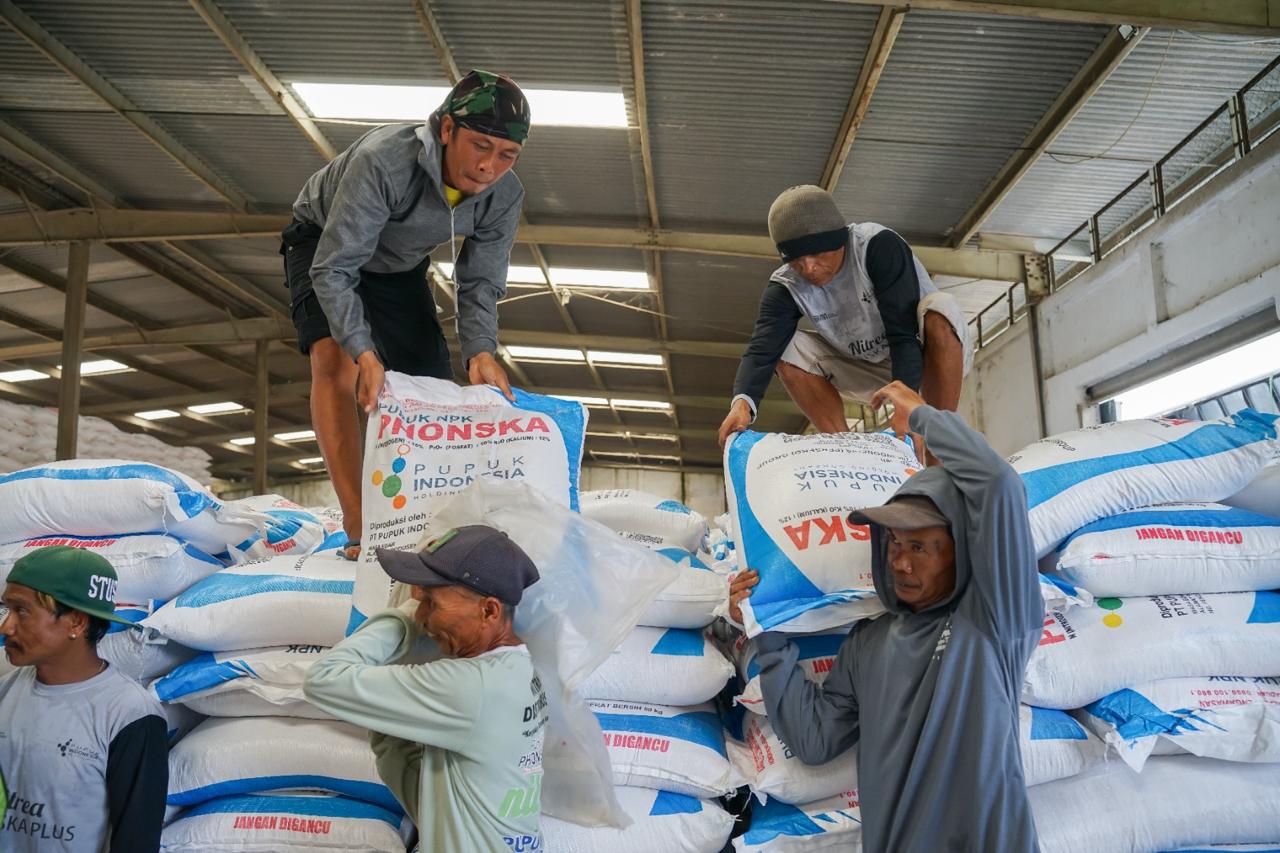
Subsidized fertilizer is fertilizer provided by the government at a special price lower than the market price so that it can be accessed by eligible farmers according to criteria. This program is implemented by various parties, one of which is Pupuk Indonesia, a state-owned enterprise committed to supporting national food security.
Criteria for Subsidized Fertilizer Recipients
- Farmers with a maximum land area of 2 hectares.
- Belonging to the 10 farmer commodities: rice, corn, soybeans, cassava, shallots, garlic, chili, cocoa, coffee, and sugarcane.
- Registered in farmer groups, including farmers of Forest Village Community Institutions (LMDH) as stipulated by law.
Types of Subsidized Fertilizers
Several types of fertilizers fall under the subsidy program, including:
- Urea (high in nitrogen, supports the growth of green plants)
- NPK (a combination of the main nutrients: N, P, and K)
- Special NPK (NPK fertilizers formulated with specific compositions)
- Organic fertilizers (based on natural materials, support long-term soil fertility)
Objectives of the Subsidized Fertilizer Program
The government has introduced this program with the following goals:
- To evenly increase farmers’ productivity.
- To maintain the sustainability of farming, especially for small farmers.
- To support the stability of food supply and prices.
- To drive the achievement of national food self-sufficiency.
Maximum Retail Price (HET) Provisions
Provisions on subsidized fertilizer governance are currently regulated through the Minister of Agriculture Regulation (Permentan) No. 15 of 2025. This regulation is the main reference in implementing the subsidized fertilizer program, covering the types of fertilizers subsidized, the allocation system based on e-RDKK, as well as monitoring and supervision. The regulation also defines the roles of various parties in the distribution chain, including producers, distributors, kiosks, and support for payment systems through banking institutions. Its main goal is to create a more orderly, well-targeted distribution system that supports transparency and accountability in the field.
In its implementation, several practices still lead to non-compliance with HET. Some main causes of HET violations include:
- Purchasing fertilizers not in the full packaging as stipulated.
- Fertilizer payment not conducted using yarnen credit (pay-after-harvest).
- Requests for fertilizers to be delivered directly to certain locations, often resulting in additional costs.
To ensure fertilizer affordability for farmers, the government has officially set the maximum retail price of subsidized fertilizers through the Minister of Agriculture Decree (Kepmentan) No. 644/KPTS/SR.310/M/11/2024. Based on this decision, the applicable subsidized fertilizer prices are:
- Urea: IDR 2,250 per kilogram
- NPK: IDR 2,300 per kilogram
- Special NPK: IDR 3,300 per kilogram
- Organic Fertilizer: IDR 800 per kilogram
The price determination serves as a mandatory guideline for fertilizer distributors and as a reference for farmers to obtain fertilizers at reasonable and affordable prices.
The Strategic Role of Subsidized Fertilizers
More than just production cost assistance, subsidized fertilizers have strategic value in the national agricultural system:
1. Increasing Farmers’ Productivity With subsidized fertilizers, farmers have access to production inputs that optimally support plant growth. This has a direct impact on improving more stable and sustainable crop yields.
2. Reducing Production Costs for Small Farmers Most Indonesian farmers still operate on a small scale. Without subsidies, the cost of commercial fertilizers can be a heavy burden. Subsidized fertilizers help sustain farming and protect farmers’ profit margins.
3. Supporting National Food Self-Sufficiency Adequate food availability is inseparable from the ability of farmers to produce key commodities such as rice, corn, and soybeans. Subsidized fertilizers are a crucial element in maintaining the continuity of the production of these strategic national commodities.
Subsidized Fertilizers as a Long-Term Investment
Subsidized fertilizers are not merely social assistance. More than that, they are a long-term investment by the state to build the foundation of food security and improve farmers’ welfare. By maintaining farmers’ productivity today, the nation is building future food security.
The Importance of Sustainable Collaboration
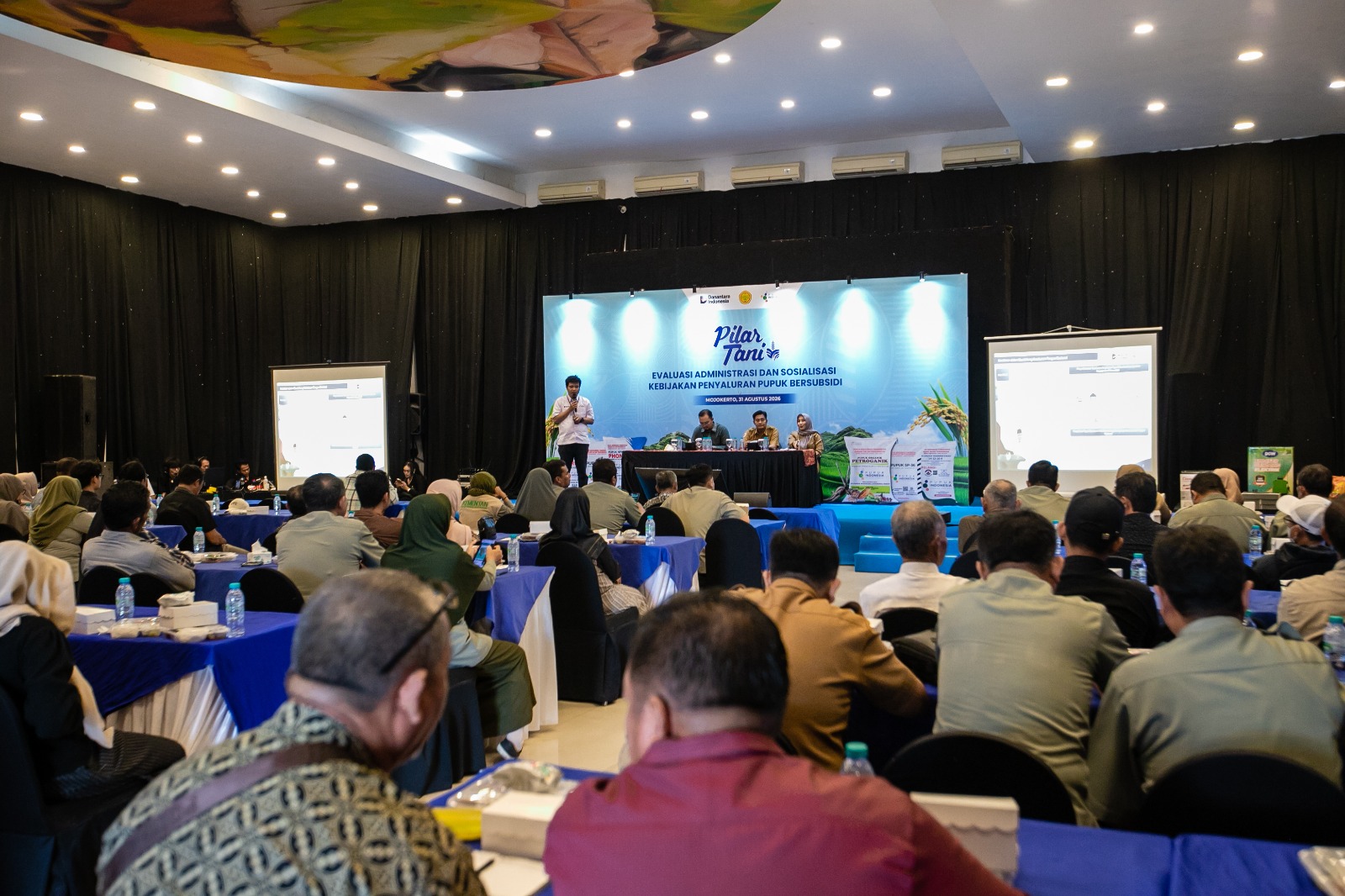
The success of the subsidized fertilizer program does not depend solely on government policy. Collaboration between the central and regional governments, Pupuk Indonesia as the distributor and educator, and farmers as the key players in the field is the main key to the sustainability of this system. A shared awareness to use fertilizers wisely and accurately is an essential part of this effort.
The transformation of the national fertilizer system must be carried out so that its benefits are truly felt by the farmers who need them. To that end, support is needed from all parties—government, institutions, businesses, and the community—so that the system becomes more equitable, transparent, and sustainable. By working together, we can create a stronger agricultural ecosystem and more secure food security for the future.