

Purpose of TJSL
Referring to the ISO 26000 quality standard, in general, the objectives of implementing the CSR program are to:
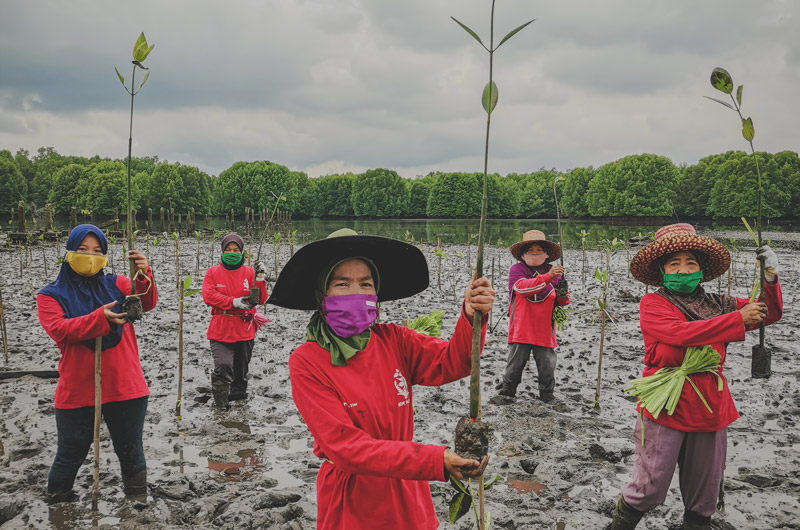
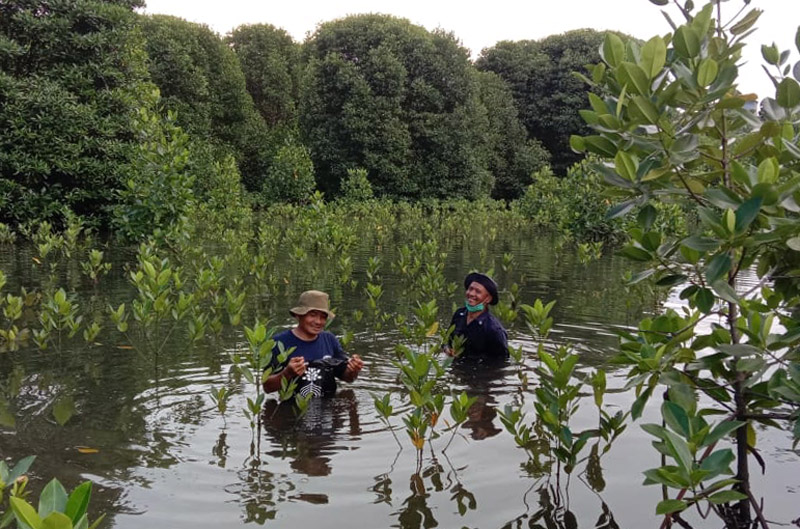
| 1. Related to Nature | The Company strives to carry out activities to increase reforestation and create environmental conservation. |
|---|---|
| 2. Related to Wellness | The Company strives to carry out activities that can improve welfare, both internally and externally. |
| 3. Related to Society | The Company strives to carry out activities that have an impact on a better social life. |
| 4. Related to the Economy | The Company strives to carry out activities that can increase profits, so that in the end it can support the country's economy and help increase the economic index. |
Stakeholder Engagement and Community Relations
PT Pupuk Indonesia (Persero) considers stakeholder engagement an important element in building constructive and sustainable relationships. Engagement is carried out through an approach that includes stakeholder identification, mapping of community conditions and needs, two-way communication, management of feedback and grievances, and periodic evaluation.
As a basis for designing relevant and well-targeted programs, PTPI conducts social mapping and community needs assessments to understand socio-economic conditions, local potential and challenges, vulnerable groups, actual and potential impacts associated with the Company’s activities, as well as the key actors and institutions within local communities. The process includes:
- surveys and questionnaires to obtain an overview of community conditions and needs;
- in-depth interviews with local government representatives, community leaders, and other relevant stakeholders;
- field observations to understand actual conditions within communities;
- reviews of supporting data and documents to complement and validate findings; and
- mapping of stakeholders, vulnerable groups, local potential, key issues, and the forums or mechanisms used by communities to express their interests and concerns.
Community Capacity Building and Dialogue
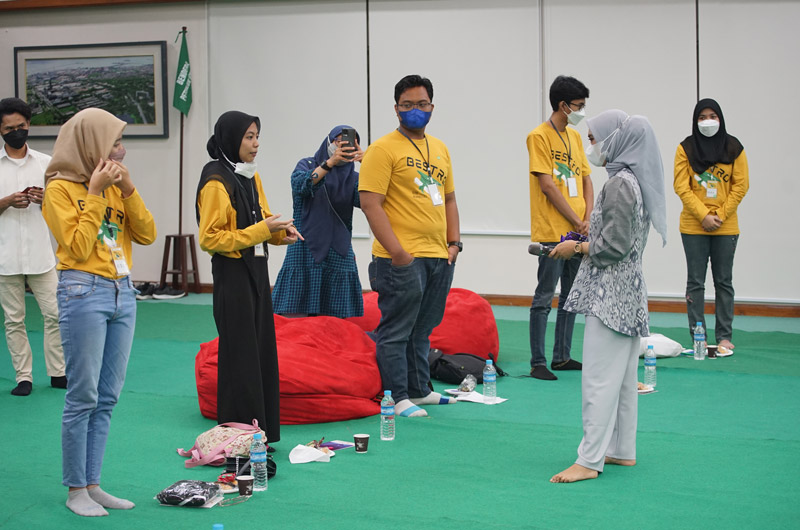
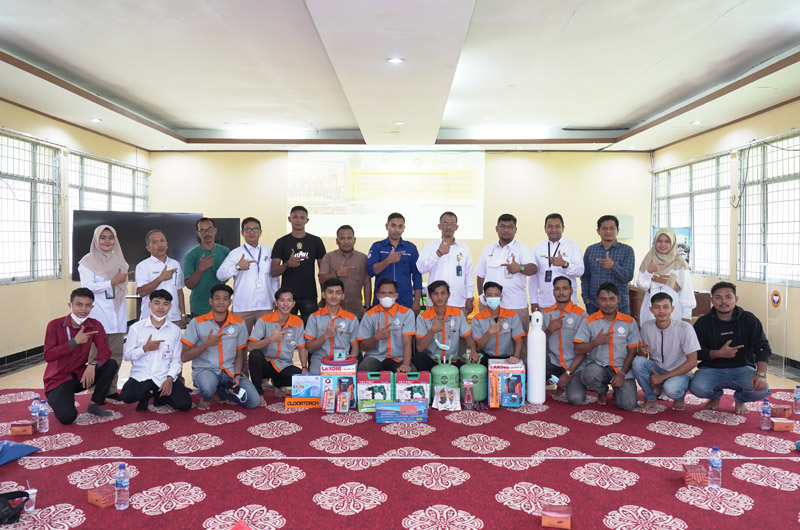
Based on social mapping and the identification of community needs, PTPI develops capacity-building programs tailored to the characteristics, potential, and challenges of each area. Topics that have been developed include:
- strengthening capabilities in agriculture and the application of balanced fertilization practices;
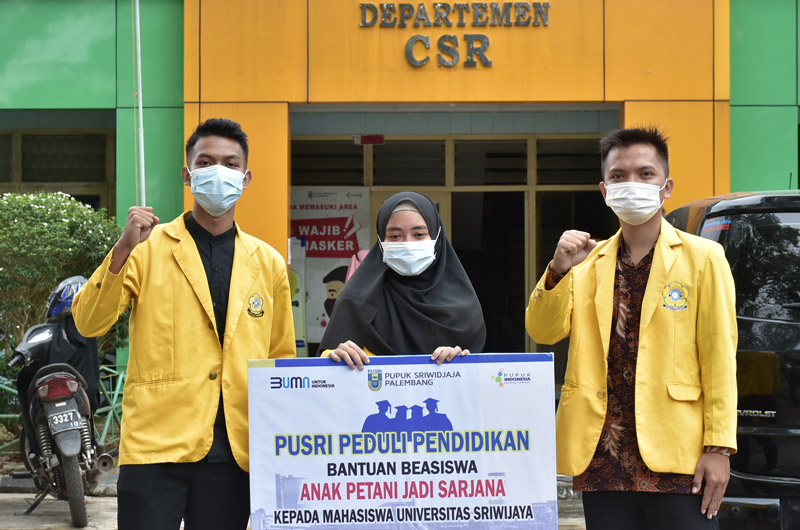
- establishing and developing youth groups, including the regeneration of young farmers;
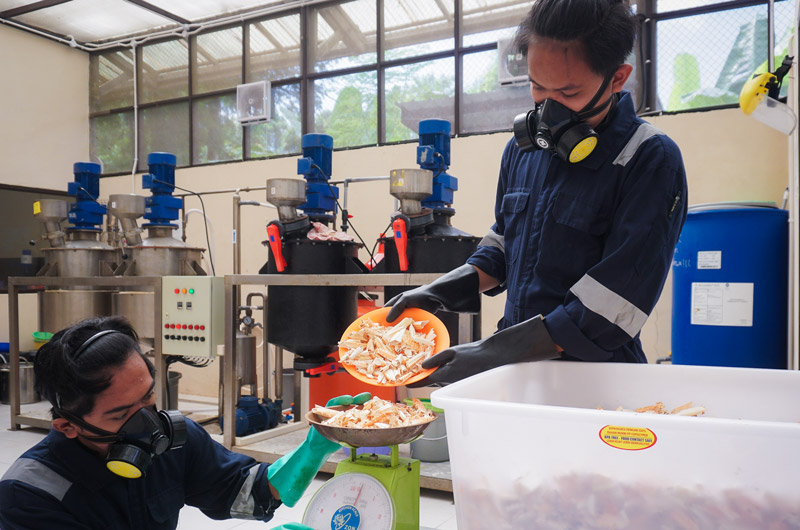
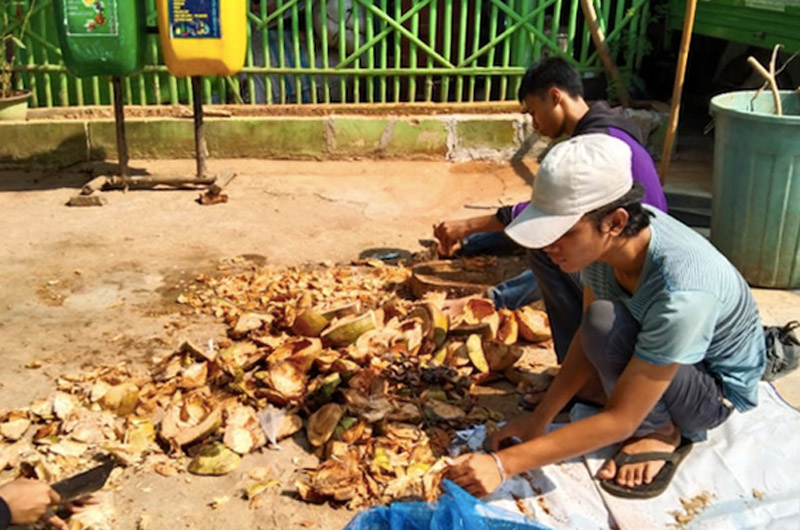
- empowering communities to process natural resources and livestock waste into value-added products;
- strengthening community capacity to develop local potential, including agrotourism;
- health and nutrition education, demonstration plot development, and utilization of local food resources; and
- strengthening the capacity of village governments in governance and local development.
These initiatives are intended not only to enhance knowledge and skills, but also to strengthen the capacity of communities and local institutions to participate more actively, communicate their needs and aspirations, and engage in the development of programs relevant to their areas. Capacity-building activities are also designed to improve community readiness to interact, coordinate, and establish more effective communication with the Company.
Evaluation and Continuous Improvement
To ensure that community engagement remains relevant and effective, PTPI periodically evaluates community perceptions through the Environmental Satisfaction Survey (Survei Kepuasan Lingkungan/SKL). The survey assesses three main aspects: the Company’s relationship with surrounding communities, the Company’s role in supporting local communities, and community attitudes and perceptions toward the Company. The survey results are used to capture community feedback and expectations and serve as an input for evaluating and improving both program implementation and the Company’s community engagement approach.
PTPI applies a structured stakeholder engagement approach across all operational locations, while adapting implementation to the characteristics, needs, and social context of each area. This standardized approach is intended to maintain consistency in implementation while ensuring continued relevance to the needs and expectations of local stakeholders.