Sustainability

Our Research

Customer Relationship Management

Pupuk Indonesia (PTPI) regards customer relationships as an essential part of maintaining product and service quality, building trust, and supporting continuous improvement. Customer relationship management is implemented through various communication channels, customer education activities, customer satisfaction measurement, and a structured complaint-handling process.

Customer Support and Feedback Channels

PTPI provides several channels that customers can use to request information, obtain support, provide feedback, or submit complaints, including:

Online Form or E-mail

Contact Us via Form E-mail

Dedicated Phone Line (Hotline Service)

0800 100 800 1

AI-based Chatbot

0811-1000-1959

Each inquiry, feedback, and complaint is forwarded to the responsible unit based on the type and substance of the information submitted.

Integration of Customer Feedback into Product and Service Improvement

PTPI gathers customer feedback through various touchpoints, including customer service channels, customer engagement events, Soil Testing Car services, and the Customer Satisfaction Survey (CSS).

Through customer education activities, PTPI provides information on product types and benefits, proper fertilizer application, balanced fertilization, and agricultural technologies. These activities also involve Subdistrict-Level Agricultural Extension Officers (PPTS) and subsidized fertilizer retailers or kiosks (PUD) as strategic partners to ensure that product information is communicated consistently to farmers and end users.

The results of the CSS and other customer feedback are analyzed to identify service gaps, customer needs, and opportunities for improvement. The findings serve as input for relevant units to enhance product quality, improve service processes, and continuously strengthen customer relationship programs.

Complaint Handling and Resolution

PTPI implements a complaint-handling process to ensure that customer complaints are received, recorded, followed up, and resolved in a timely manner. Complaints may be submitted through any of the available customer service channels.

Once a complaint has been received, PTPI provides confirmation to the customer through the same channel used to submit the complaint. The complaint is then classified and forwarded to the relevant unit for verification, root-cause analysis, and determination of the required follow-up actions.

PTPI is committed to providing an initial response within a maximum of 2 hours and completing the complaint-handling process within a maximum of 5 working days, depending on the nature and complexity of the issue. Where resolution requires a longer period, progress updates are communicated to the customer until the complaint is formally resolved.

The complaint-handling process includes:

1. Receipt & Recording

2. Confirmation to the Customer

3. Classification & Referral to the Relevant Unit

4. Verification & Follow-Up

5. Communication of Resolution Results

6. Complaint Closure and Evaluation

Complaint and resolution data are used as input for evaluation to prevent recurring issues and continuously improve the quality of PTPI’s products and services.

Customer Service Accessibility

PTPI provides equal service to all customers through a range of channels, including digital platforms, telephone services, and in-person interactions.

Based on currently available service records, PTPI has not received any requests for special accommodations from customers with disabilities or elderly customers. Therefore, the Company has not yet established dedicated channels or differentiated service timelines specifically for these customer groups.

PTPI will periodically evaluate customer accessibility needs and make appropriate adjustments to its communication channels, information materials, and service mechanisms where specific accommodations are required.

Quality Assurance and External Verification

PTPI’s quality management system has obtained ISO 9001 certification. Its implementation covers the context of the organization, leadership, planning, support, operations, performance evaluation, and continual improvement. Within this scope, customer-related processes, including complaints handling, form part of the management system implemented by the Company. Accordingly, the implementation of ISO 9001 supports process control, customer satisfaction evaluation, follow-up on complaints, corrective actions, and the continuous improvement of service quality.

PTPI also applies the 7T principles in the distribution of subsidized fertilizers, namely Tepat Jenis, Tepat Jumlah, Tepat Harga, Tepat Tempat, Tepat Waktu, Tepat Mutu, and Tepat Penerima. The implementation of these principles supports consistent service and quality for customers, but does not replace independent external verification of the complaint-handling process.

Customer Satisfaction Measurement

PTPI periodically conducts a Customer Satisfaction Survey to measure customers’ perceptions and experiences of the Company’s products and services. The survey results are used to evaluate service effectiveness, determine improvement priorities, and develop follow-up actions to enhance quality.

In 2025, PTPI set a Customer Satisfaction Index target of 96.5 as an indicator of its efforts to improve the quality of its products and services. The Customer Satisfaction Index achieved during the year was 93.05, providing valuable input for the Company’s ongoing evaluation and continuous improvement of its services.

Indonesia Fertilizer Research Institute (IFRI)

Pupuk Indonesia Group believes that research can provide added value, so the Company provides a large space for research development through the centralization of the research function with the establishment of the Indonesia Fertilizer Research Institute (IFRI) on November 9, 2020 in conjunction with the centralization of the holding function. IFRI is under the Director of Business Transformation and in its operations is assisted by the Advisory Board.
IFRI

Pupuk Indonesia realizes that in product development, sustainability criteria must be a primary consideration to minimize the carbon footprint and environmental impact. As a national fertilizer manufacturer, this commitment is realized through the implementation of environmentally friendly technology, energy efficiency in production processes, as well as the development of efficient and precise fertilizer formulas. These innovation steps not only aim to preserve the ecosystem and support net zero emission targets, but also to ensure sustainable national food security. Below are the guidelines for Pupuk Indonesia’s IARI team in developing products:

Sustainable Product Development Guidelines

Partnership In Research

Mitra Riset

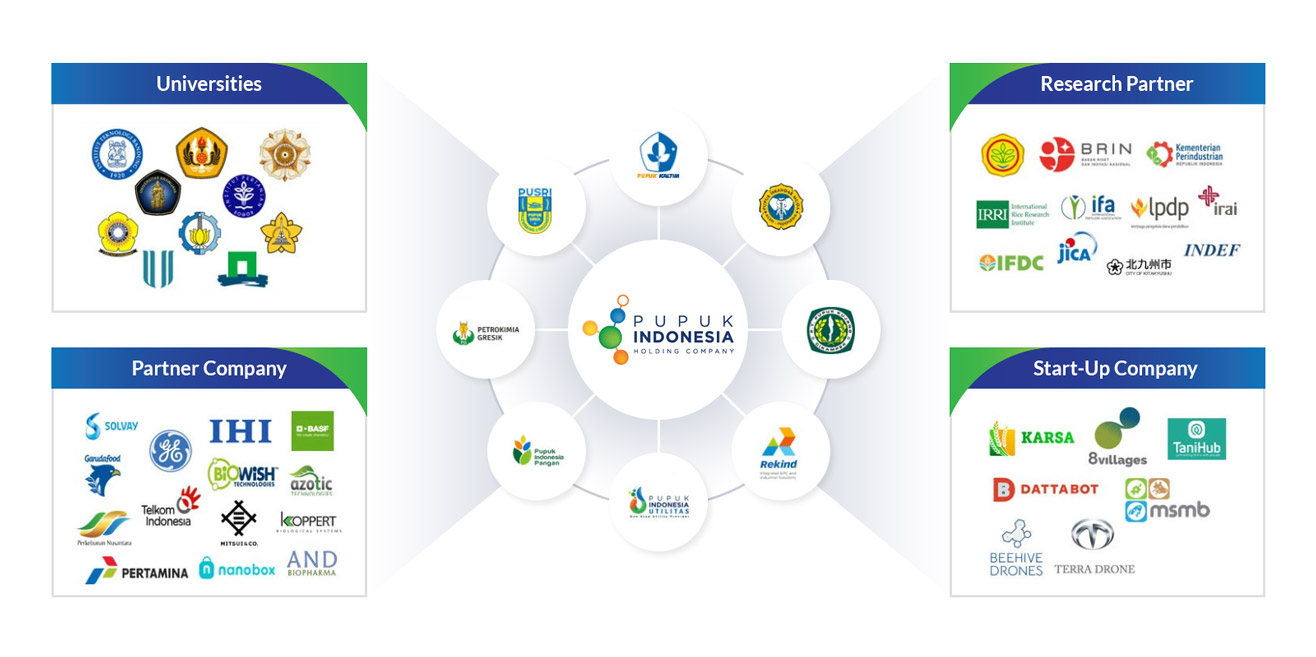
IFRI runs strategic partnerships based on increasing competitiveness with a product-market fit approach. We have run partnerships with various research institutions, universities, and corporations, both state-owned and private, national and international.

IFRI is a member of the BUMN Research Institute Food and Fertilizer Cluster collaboration, namely the Indonesia Food and Fertilizer Research Institute (IFFRI), which was inaugurated on June 16, 2021.

Featured Research

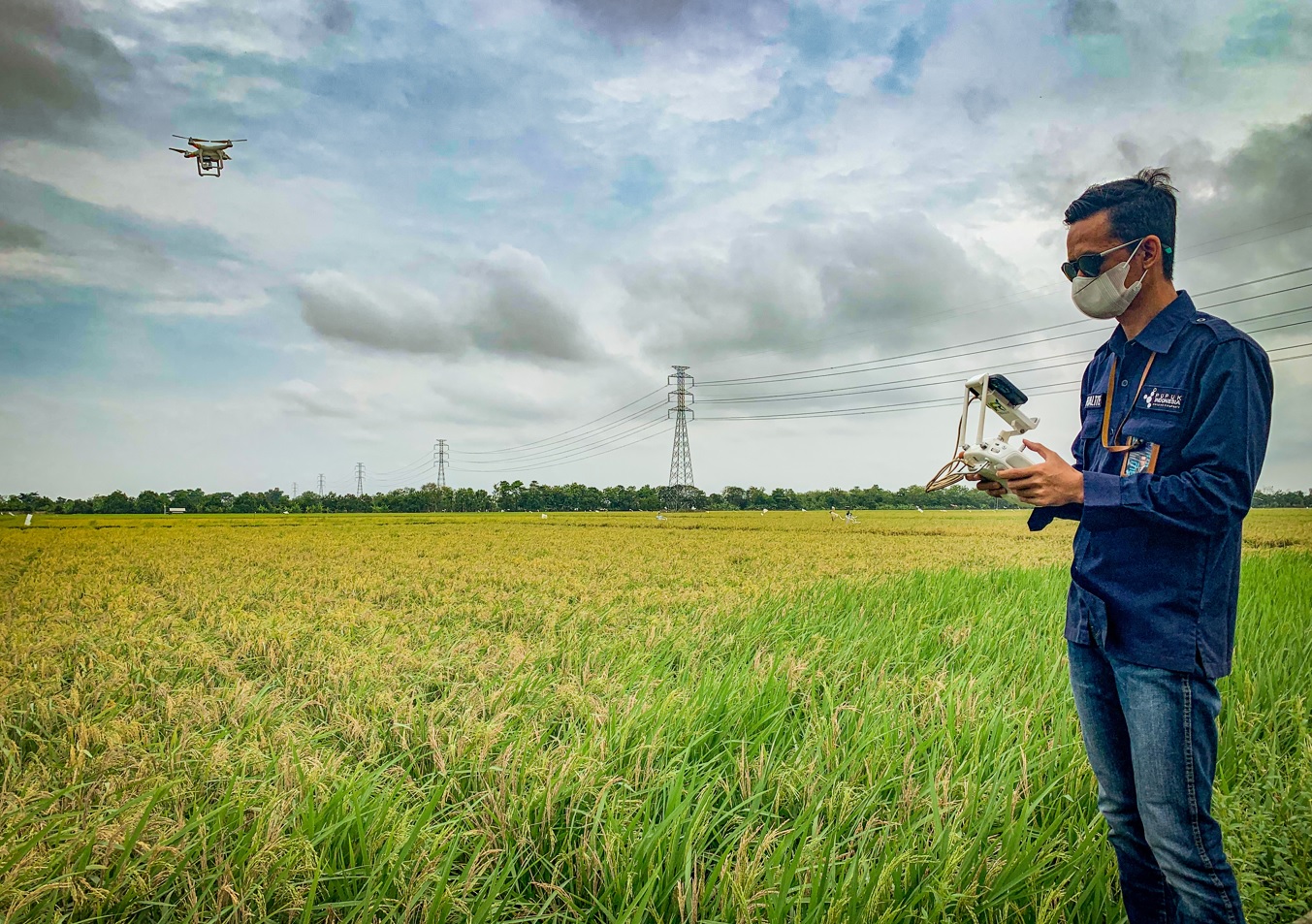
Pupuk Indonesia’s leading research consists of three main groups, namely Product Development, Policy Research, and Technology Process. The three groups support each other to realize an environmentally friendly precision farming system as a manifestation of the Company's vision and mission. Our existing research program has three integrated themes, namely Precision Agriculture, Enhanced-efficiency Fertilizer, and Sustainable Agriculture.

Our Research Results

Product Research

Product Design & Description

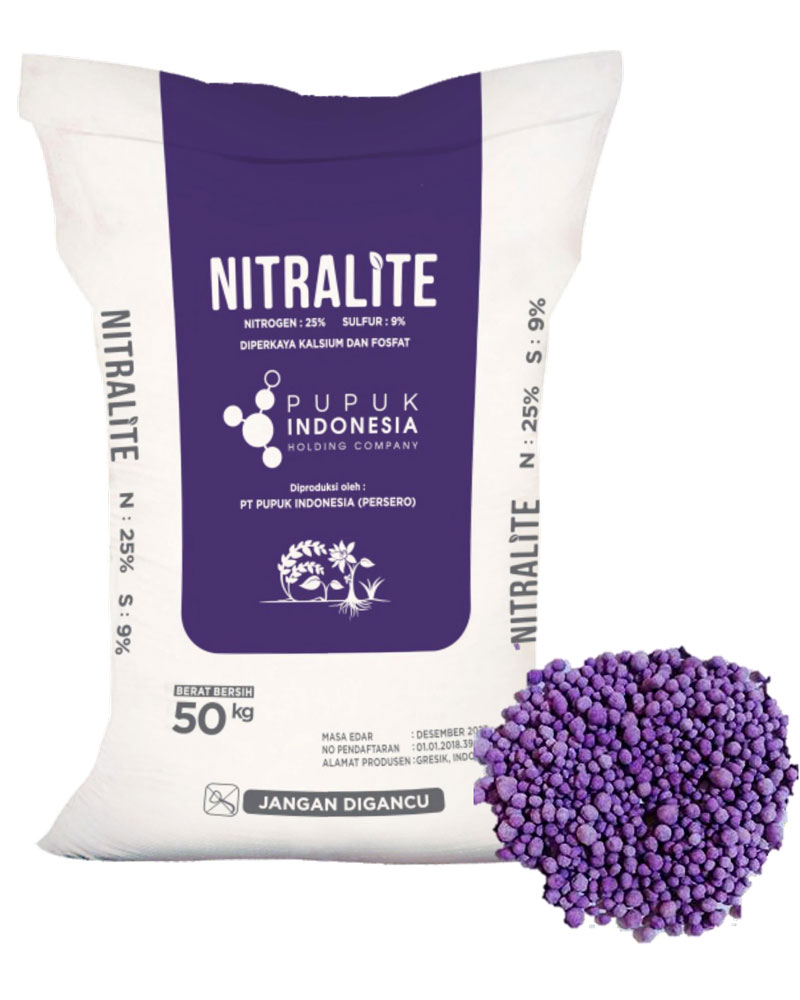
  • Nitralite, NS macro fertilizer containing: N : 25 %, S : 9 %, and Ca
  • Purple granules shaped
  • Trademark registration no. D002018023425
  • Distribution permit issued December 3, 2018 : SIE No. 814.OL/Kpts/SR.320/B/12/2018 SIE No. 814.OL/Kpts/SR.320/B/12/2018
  • Derived from a mixture of urea, gypsum, and ZA
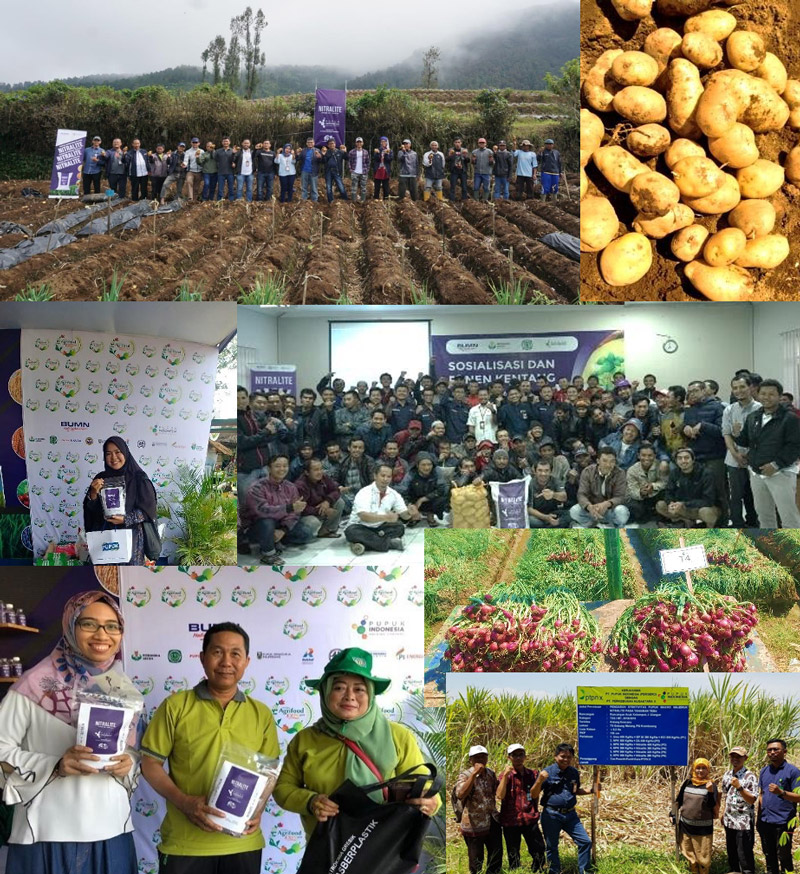
  • It has been tested on 6 crop commodities (potatoes, shallots, sugar cane, rice, corn, and oil palm)
Our Research Results
Nitralite

Testimonial


Benefits of Nitralite

  • Increase crop productivity
  • Reduce the frequency of fertilization doses on potatoes (usually 3 times to 2 times)
  • Improves the aroma and color of onion bulbs compared to without Nitralite
  • Increase the homogeneity of tuber size in potatoes, and tubers are not hollow
  • Increase the marketable grade of potatoes
Nitralite

Digital Research

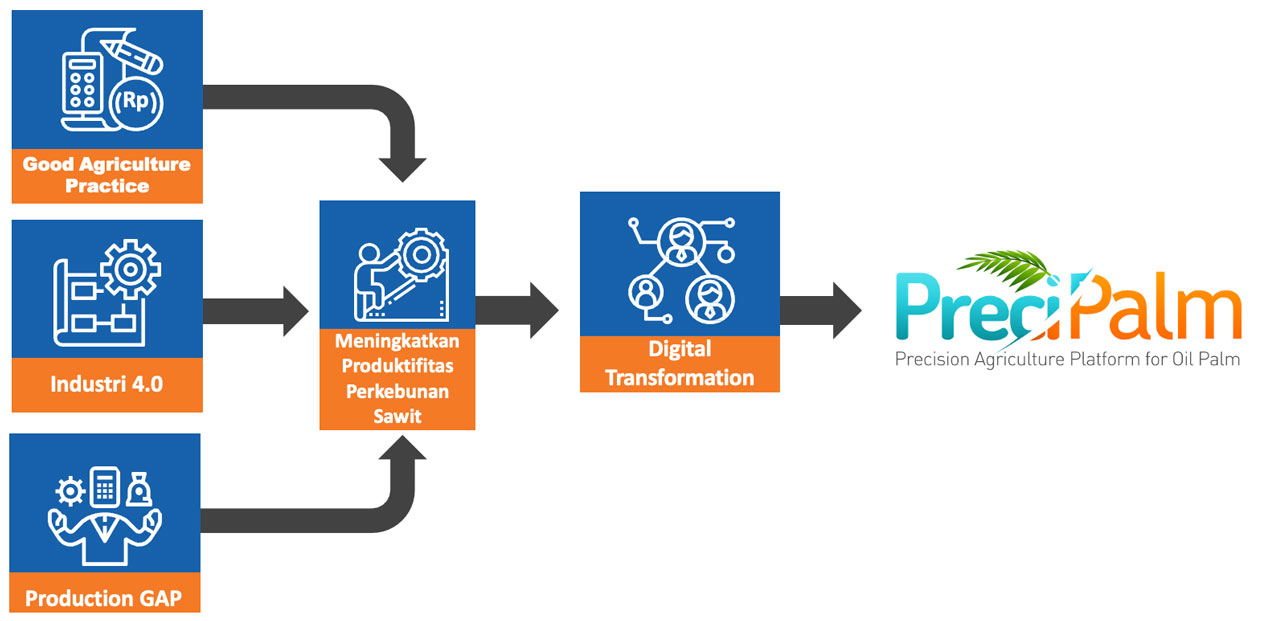
Digital Transformation of National Oil Palm Plantation
Transformasi Digital
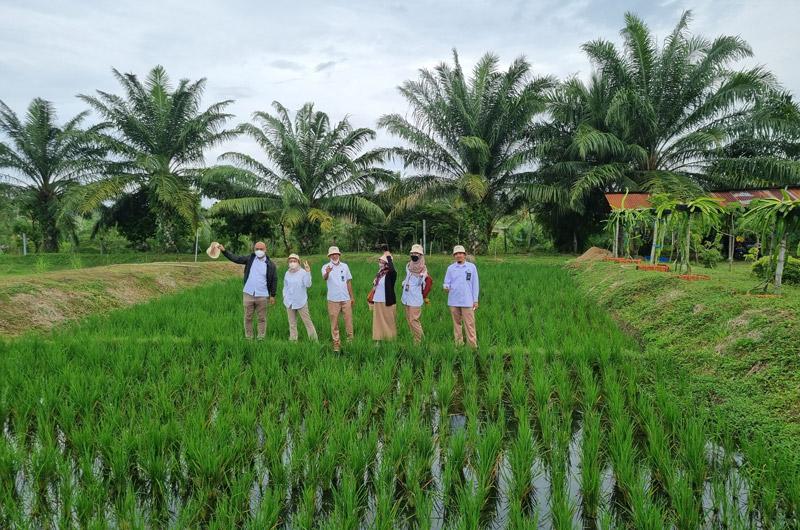
Palm oil is very responsive to agro inputs, especially proper fertilization

IFRI

Precision Agriculture Platform for Oil Palm

  • PreciPalm, is an application system for fertilization recommendations and monitoring the condition of plant nutrition based on Precision Agriculture using satellite imagery in oil palm plantations – a solution to increase fertilization efficiency and optimize agricultural productivity.
  • PreciPalm uses the Sentinel 2 satellite to obtain satellite imagery in the form of a real-time map of the nutrient content of plants N, P and K, and then processed to produce fertilizer dosage recommendations.

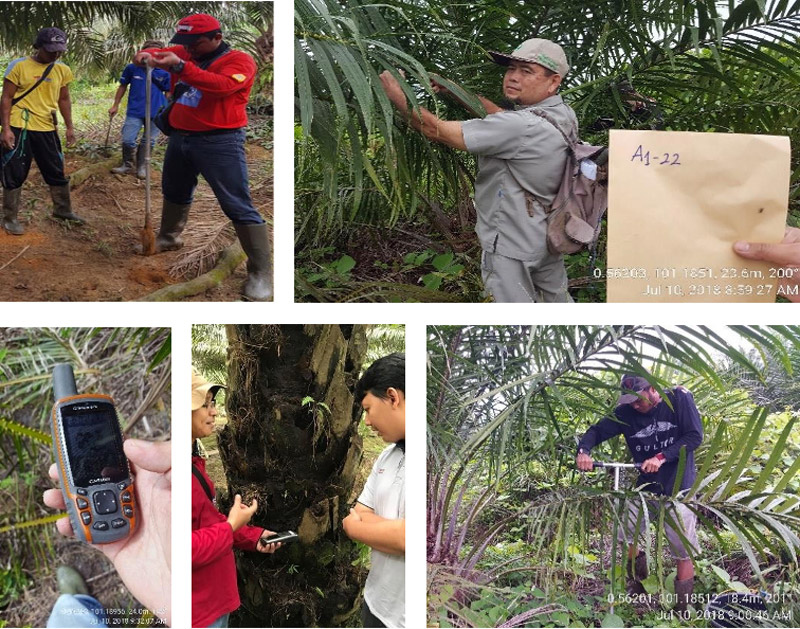
Field Test Observations

Location Amount Survey Date
PTPN 5 Kebun Sei Galuh Inti 125 13 Juli 2018
PT. Bima Palma Nugraha 125 22 – 26 Agustus 2018
PTPN 5 Kebun Tandun 36 2 Februari 2019
PTPN 7 Kebun Bekri 36 4 Februari 2019
Kebun Penelitian Dan Percobaan IPB Jonggol 30 6 Februari 2019
PTPN 3 Kebun Rambutan 36 4 April 2019
PTPN 3 Kebun Sisumut 36 5 April 2019
PT. Kalimantan Agro Nusantara 120 13 Maret 2020
Membangun model pendugaan nutrisi. Nutrisi (N,P,K) = f(Band1,Band2,Band3,…,Band12)
Building a nutrients forecast model. Nutrients (N,P,K) = f(Band1,Band2,Band3,…,Band12)

Fertinnovation Challenge

IFRI held the Pupuk Indonesia Fertinnovation Challenge 2021 event, which is PTPI's platform in reaching out and exploring various innovations. The Fertinnovation Challenge provides an open competition for all disciplines and is divided into 3 categories such as Precision Agricultural Innovation, Agricultural Value Chain Innovation and Fertilizer Production System Innovation. A total of 334 students who took part in the competition came from 32 universities in Indonesia.


Resources Efficiency Benefit of Products

Pupuk Indonesia is actively developing environmentally friendly products to strengthen its commitment to achieving sustainability in the agricultural industry through high-efficiency, bio-based, and organic products, as well as supporting the implementation of precision agriculture.

Many of its research products have achieved commercial success, such as Nitralite and Urea plus inhibitor. Pupuk Indonesia has demonstrated efficiency benefits from using urea inhibitor fertilizers, reducing greenhouse gas emissions by up to 35% compared to conventional urea fertilizers.


Latest Research

Our Research in Agro Solution for Better Indonesia
Download Report

Our Research in Clean Energy
Download Report

Sustainable Product

Pupuk Indonesia Sustainable Product Classification

Through the utilization of TKBI Version 3, Pupuk Indonesia identifies its operational activities that fall within the coverage of the Manufacturing Sector (specifically the Basic Organic and Inorganic Chemical Industry) and the Agriculture Sector. This standardization helps the company measure the Technical Screening Criteria (TSC) for green products such as green ammonia, organic fertilizer, and other low-carbon non-fertilizer product innovations. With this taxonomy-based assessment, Pupuk Indonesia not only enhances the transparency of its sustainability reporting but also opens broader access to global green financing instruments.

Alignment of TKBI Version 3 with Global Standards

In developing its structure, TKBI does not stand alone; rather, it is designed to be interoperable by adopting and aligning with principles from various international references:

  • ASEAN Taxonomy for Sustainable Finance (ATSF): TKBI uses ATSF as the main reference to ensure financial market integration that is aligned at the Southeast Asian regional level.
  • EU Taxonomy: Draws references from the EU framework which is based on strict science, particularly in determining carbon emission thresholds and the Do No Significant Harm (DNSH) principle.
  • Paris Agreement Targets & NDC: TKBI is formulated directly to address the fulfillment of global climate commitments through Nationally Determined Contributions (NDC) to curb the rate of global temperature rise.
  • Through the synergy between these local and international standards, Pupuk Indonesia’s green portfolio possesses validity recognized by both domestic and global investors.

Currently, Pupuk Indonesia has not conducted an external independent verification or certification process regarding the alignment of our sustainable product classification with taxonomy standards. Nevertheless, the Company views compliance with these standards as a long-term strategic priority.

Sustainable Product Revenue and Diversification Targets

Pupuk Indonesia is fully committed to supporting the green economy transition in Indonesia through the provision of environmentally friendly and sustainable products and services. Currently, the Company is in the phase of strengthening the classification foundation of its green portfolio. Pupuk Indonesia has not yet set detailed quantitative and time-bound targets regarding revenue growth from sustainable products or the number of sustainable product variants.

Sustainable Revenue

As a measurable strategic step, Pupuk Indonesia will conduct a comprehensive study to identify, categorize, and establish these targets. This study will refer to the Indonesian Taxonomy for Sustainable Finance (TKBI) Version 3 guidelines and relevant global standards. Based on the study results, Pupuk Indonesia is committed to formulating a green industry roadmap encompassing revenue and sustainable product diversity targets that are specific, measurable, and aligned with the long-term vision of a low-carbon industry.

Performance Incentives for Sustainable Products and Services Sales

Pupuk Indonesia continues to promote alignment between its commercial strategy and the Company’s sustainability agenda, including the development and marketing of sustainable products and services. Currently, the performance appraisal and incentive system for the sales function does not specifically link incentives to the achievement of sustainable product or service sales.

As the sustainable product portfolio continues to develop, Pupuk Indonesia will continue to evaluate opportunities to strengthen performance and reward mechanisms for the commercial function so that they become increasingly aligned with the Company’s sustainability objectives. This development may include the integration of sustainable product sales indicators into KPIs, target-based reward schemes, or other forms of incentives in accordance with applicable remuneration and performance management policies.

Investment and Resource Allocation for Sustainable Product Portfolio

Pupuk Indonesia consistently allocates strategic investments, in the form of both Capital Expenditure (CAPEX) and Operational Expenditure (OPEX), to expand and strengthen its sustainable product and service portfolio. Our investment approach focuses on three main pillars:

1. Research & Development (R&D) Resources for Sustainable Products

The Company is fully committed to funding green innovation by allocating 90% of its annual R&D budget specifically for sustainable products. These research activities are driven in an integrated manner through the Indonesia Agrichemical Research Institute (IARI) as the research center of excellence for the Pupuk Indonesia group. IARI’s main focus is to explore and develop high-efficiency fertilizer formulas (such as slow-release fertilizers) and conduct comprehensive studies related to future clean energy supply chains, including Green Ammonia and Blue Ammonia.

2. Upgrading Sustainable Manufacturing Infrastructure

Through strategic CAPEX allocation, Pupuk Indonesia modernizes its infrastructure to adopt low-carbon manufacturing technologies. One of the main pillars of green infrastructure investment currently underway is the GAIA Project (Green Ammonia Initiative from Aceh) in the Arun Lhokseumawe Special Economic Zone (SEZ), Aceh, with an investment value of IDR 2.6 trillion / USD 151 million (exchange rate IDR 17,500). The GAIA Project serves as concrete evidence of our infrastructure commitment to pioneering commercial-scale green ammonia production in Indonesia aligned with global environmental technical criteria.

3. Internal Training on Sustainable Design Principles

Human resource capability enhancement serves as the driving engine for sustainable innovation within the Company. Pupuk Indonesia invests a dedicated budget to organize sustainable design training programs, workshops, and certifications held at least once a year. This program is executed through strategic collaborations with the IFA Fertilizer Academy, PPM Management, or other institutions. The training is inclusively designed not only for the product development team, but also for all relevant departments and functions involved in the sustainable product development implementation chain across the Company, ensuring aligned understanding of regulatory standards and sustainability criteria.